

Middle East Travel Trends 2026: Where Ancient Magic Meets Tomorrow's Dreams, Forget everything you thought you knew about Middle Eastern travel.
Whether you're a thrill-seeker, culture vulture, luxury lover, or eco-warrior, 2026 is serving up travel experiences so incredible they'll make your Instagram followers weep with envy. And the best part? Gulf Visa Services is your golden ticket to making it all happen, cutting through red tape faster than you can say "next adventure."
Let's dive into the trends that are making the Middle East the hottest destination on the planet right now.
The Middle East is no longer “the next big thing” in travel — it is the big thing.
In 2026, the region stands at the center of global tourism conversations. Travelers are no longer coming just for skyscrapers, shopping malls, or stopover flights. They are arriving for stories, experiences, transformation, and connection. From desert retreats that reset your soul to AI-powered itineraries that feel handcrafted, travel in the Middle East has evolved into something deeply personal and unforgettable.
For travelers, investors, and visa seekers alike, understanding these trends isn’t optional anymore — it’s essential. Let’s explore how the Middle East is redefining travel in 2026 and why the world can’t stop looking this way.
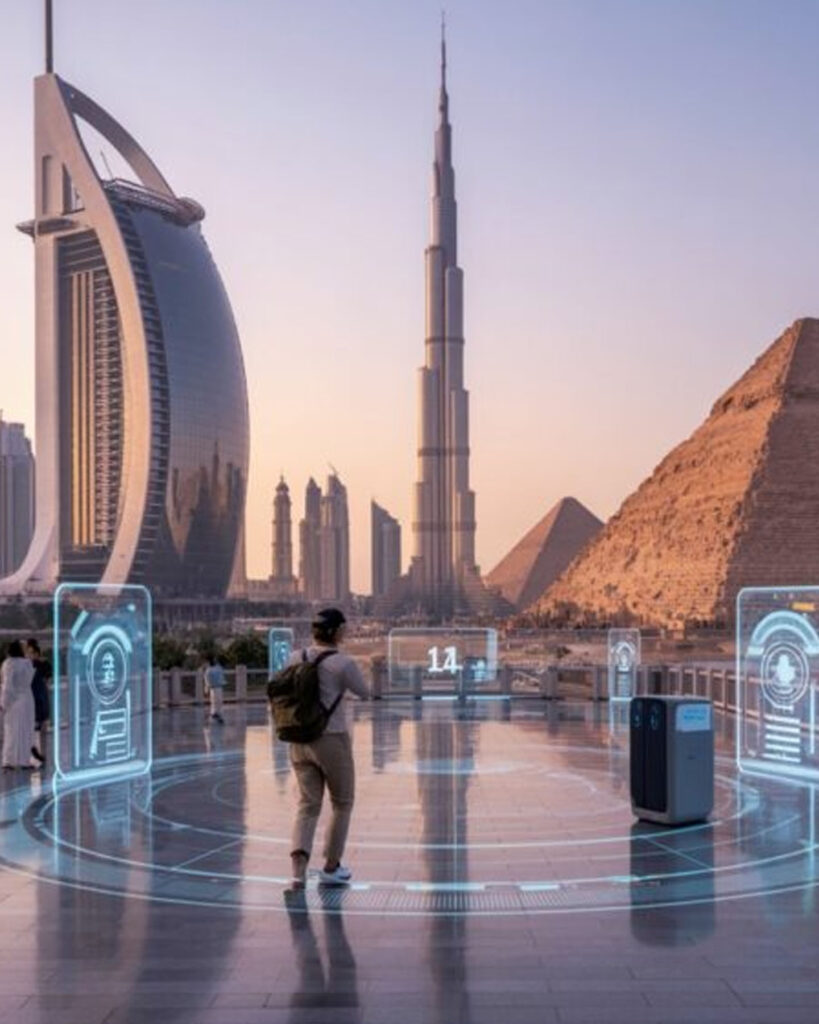
In 2026, travelers don’t just ask “Where should I go?”
They ask “How do I want to feel?”
This emotional shift is reshaping travel across the Middle East.
Instead of rushing from landmark to landmark, visitors want moments that matter:
Sharing coffee with locals in a quiet old quarter
Watching the sunrise over empty dunes
Exploring neighborhood markets, not tourist traps
Learning stories, not just facts
Travel has become a form of self-expression — and Middle Eastern destinations are perfectly positioned for this deeper connection, blending ancient heritage with modern comfort.
Forget checklist tourism. In 2026, experiences drive destinations, not the other way around.
Travelers are choosing trips built around:
Cultural immersion
Culinary journeys
Music, art, and festivals
Sports and global events
Spiritual and wellness retreats
People are flying to the Middle East not just to see something, but to be part of something — whether it’s a global sports event, a cultural season, or a once-in-a-lifetime desert experience.
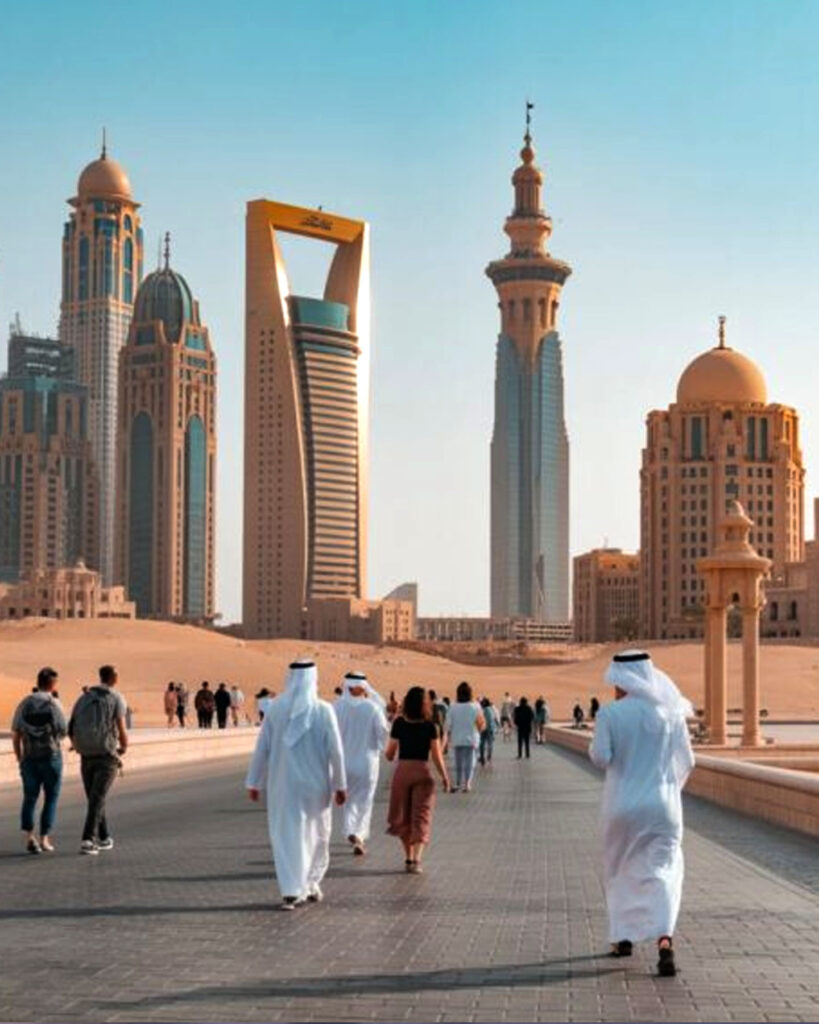

Planning a trip in 2026 feels very different — especially in the Middle East.
Artificial Intelligence has quietly become the traveler’s best friend. From choosing destinations to booking hotels and organizing daily plans, AI is now deeply woven into the travel experience.
Why travelers love it:
Personalized itineraries in seconds
Smart suggestions based on interests and budgets
Real-time updates and flexible planning
Less stress, more discovery
For Gulf travelers especially, AI-powered travel planning feels natural — efficient, intuitive, and highly customized. The future of travel planning has officially arrived.
Luxury in the Middle East used to mean bigger, brighter, louder.
In 2026, luxury means privacy, personalization, and peace of mind.
High-end travelers now want:
Seamless journeys from airport to hotel
Bespoke experiences, not mass tourism
Quiet exclusivity over flashy extravagance
Comfort that feels effortless
From desert eco-lodges to private island resorts and heritage-inspired boutique hotels, Middle Eastern luxury has matured — and the world is paying attention.


Wellness is no longer a “spa weekend.”
In 2026, it’s a reason to travel.
The Middle East is rapidly emerging as a wellness destination where travelers come to:
Slow down
Reset mentally
Reconnect with nature
Improve sleep, health, and balance
Desert silence, coastal retreats, mountain air, and thoughtfully designed wellness resorts are attracting travelers who want to return home changed, not just rested.
Wellness travel here blends ancient healing traditions with modern science — and that combination is powerful.
Dubai and Riyadh remain icons — but 2026 belongs to less-crowded, more authentic destinations.
Travelers are actively searching for:
Quiet coastal towns
Mountain villages
Cultural cities with strong local identity
Places that still feel undiscovered
This shift is spreading tourism beyond major hubs and encouraging longer stays, deeper exploration, and more meaningful interactions with local communities.
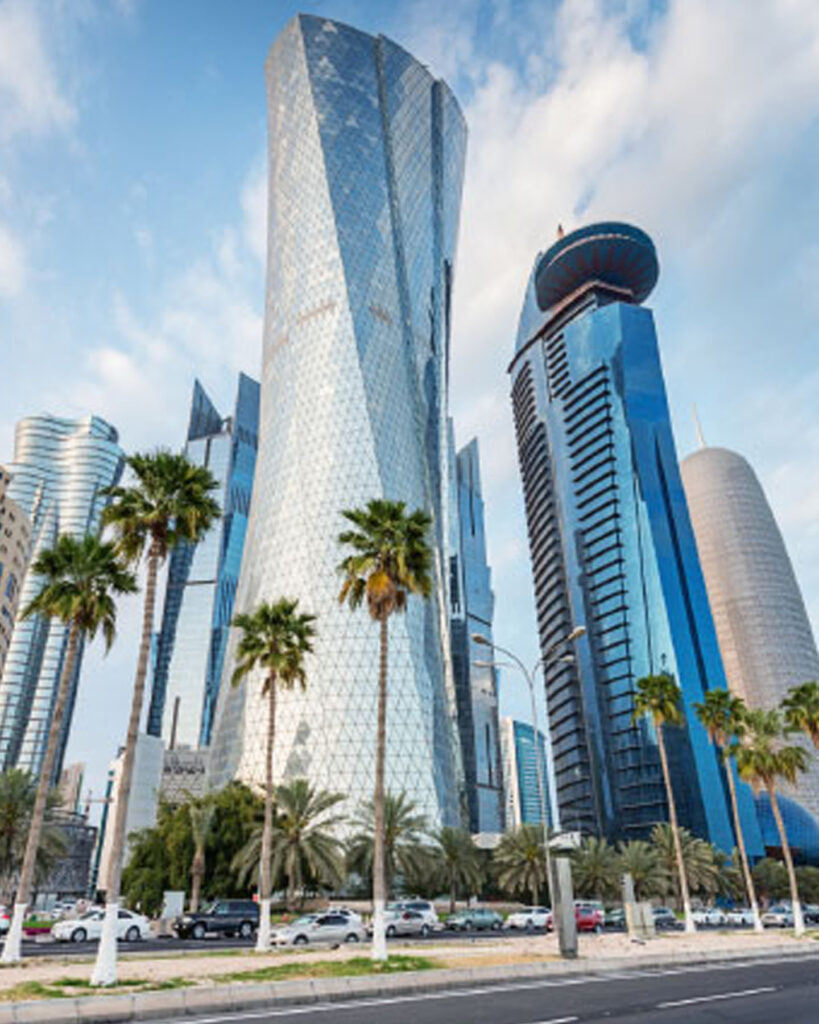
Why visit one country when you can explore three?
Thanks to better connectivity, improved visa policies, and shorter travel distances, multi-country Middle East trips are trending strongly in 2026.
Travelers now plan journeys that combine:
Business + leisure
Culture + nature
City life + desert escape
For visa services and travel planners, this trend opens exciting opportunities — especially as regional cooperation continues to improve travel access.
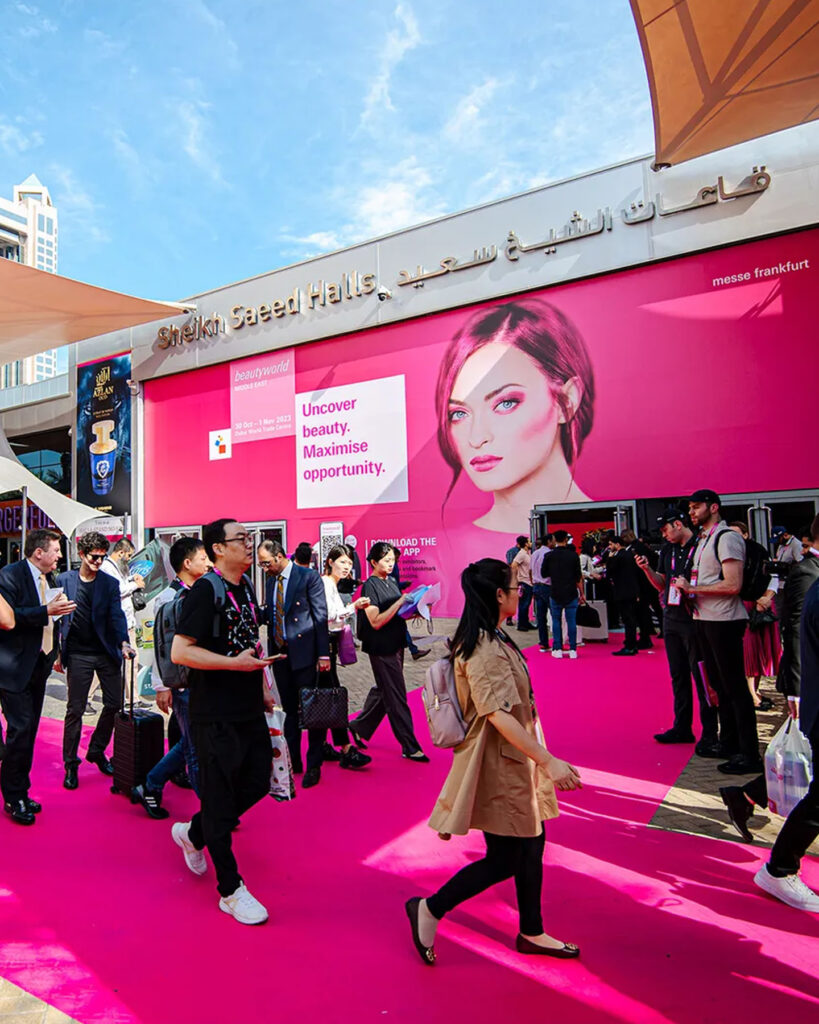
The Middle East has become a global events powerhouse.
From international sports tournaments and cultural festivals to entertainment seasons and global exhibitions, events now act as travel magnets.
These events:
Attract global audiences
Extend tourism beyond peak seasons
Introduce new visitors to the region
Boost demand for short-term visas
Travel in 2026 is increasingly event-led — and the Middle East knows how to put on a show.
Travelers are asking tougher questions in 2026:
How eco-friendly is this destination?
Does tourism benefit local communities?
Is this experience responsible?
Middle Eastern countries are responding with:
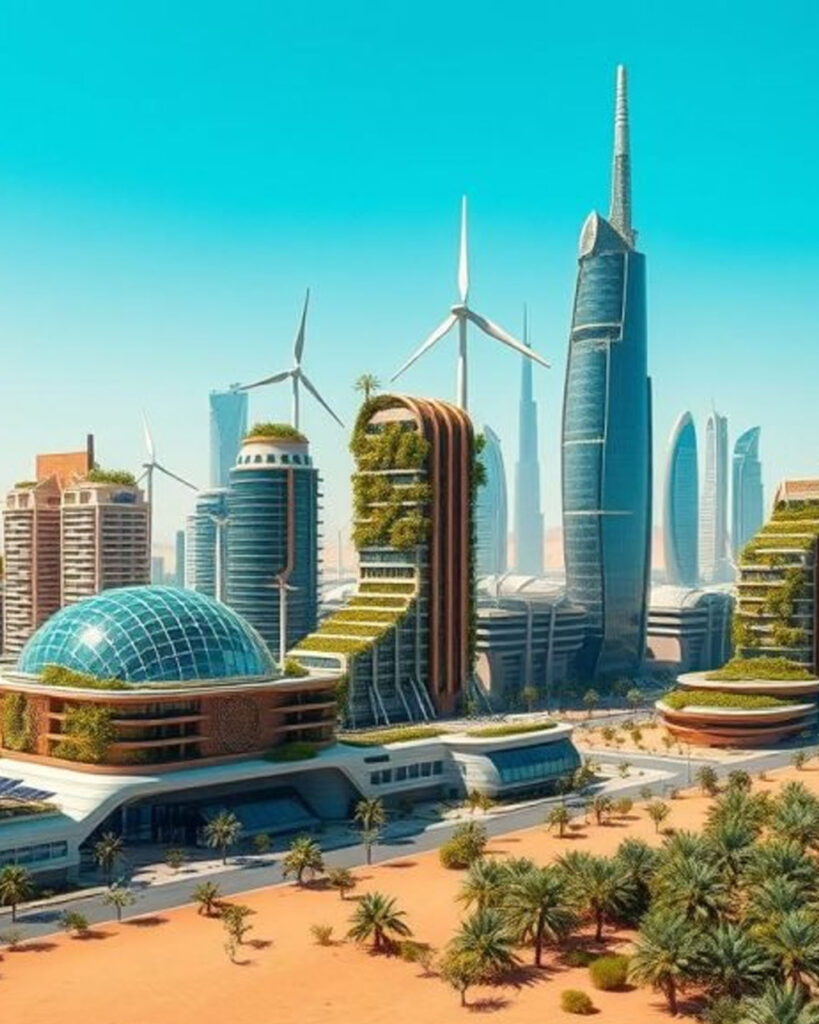
Sustainable tourism guidelines
Eco-friendly developments
Responsible desert and marine tourism
Cultural preservation initiatives
Sustainability is now part of the region’s travel identity — not just a trend.
Family travel has always been important in Middle Eastern culture — but now it’s influencing global travel patterns.
In 2026, more families are traveling together across generations:
Parents
Children
Grandparents
This has led to demand for:
Slower itineraries
Family-friendly resorts
Cultural and educational experiences
Comfortable, flexible travel planning
Travel is becoming less about escape and more about togetherness.
Whether you're a thrill-seeker, culture vulture, luxury lover, or eco-warrior, 2026 is serving up travel experiences so incredible they'll make your Instagram followers weep with envy. And the best part? Gulf Visa Services is your golden ticket to making it all happen, cutting through red tape faster than you can say "next adventure."
Let's dive into the trends that are making the Middle East the hottest destination on the planet right now.
Imagine a place where every weekend feels like New Year’s Eve, the Super Bowl, and Coachella rolled into one. That’s the Middle East in 2026.
Saudi Arabia has basically become the world’s entertainment capital overnight. Riyadh Season? It’s not just a festival anymore—it’s a full-blown cultural phenomenon where A-list celebrities, extreme sports legends, and Michelin-star chefs converge to create experiences you literally cannot find anywhere else on Earth. We’re talking Beyoncé performing against the backdrop of ancient Arabian architecture. Formula E races through historic districts. Food festivals where molecular gastronomy meets traditional Bedouin recipes.
Dubai and Abu Dhabi aren’t sleeping either. The UAE has mastered the art of the mega-event, hosting everything from the most glamorous F1 races to art exhibitions that would make the Louvre jealous. But here’s where it gets wild: travelers are now creating “event circuits”—hitting multiple countries in one trip to catch concerts in Riyadh, conferences in Dubai, cultural festivals in Jeddah, and sporting events in Abu Dhabi.
The visa game has completely changed to keep up. Multiple-entry visas? Check. Fast-track processing for event-goers? Absolutely. The modern traveler is strategic, planning visa applications around event calendars like a chess grandmaster planning their next move. And that’s exactly where professional visa services become your secret weapon—getting you approved fast so you never miss the action.
Plot twist: the Middle East is going green, and it’s the sexiest thing happening in travel right now.
Gone are the days when “eco-tourism” meant roughing it in uncomfortable conditions while pretending to enjoy yourself. The Middle East has cracked the code on making sustainability drop-dead gorgeous. We’re talking five-star luxury that actually helps the planet instead of hurting it.
Saudi Arabia’s Red Sea Project is basically science fiction come to life. Imagine staying in an ultra-luxe resort that runs entirely on renewable energy, where your presence actively helps restore coral reefs and protect endangered species. You’re lounging in infinity pools with champagne in hand, knowing that your vacation is actually funding marine conservation. That’s not just travel—that’s time travel to the future we all want to live in.
The UAE is flexing hard on the sustainability front too. Dubai’s hotels are now competing on who can be the greenest, not just the grandest. Solar-powered everything, zero-waste dining experiences, plastic-free properties that still feel like palaces. The desert camps? They’re running on sunshine and serving locally-sourced gourmet meals that would make Gordon Ramsay nod in approval.
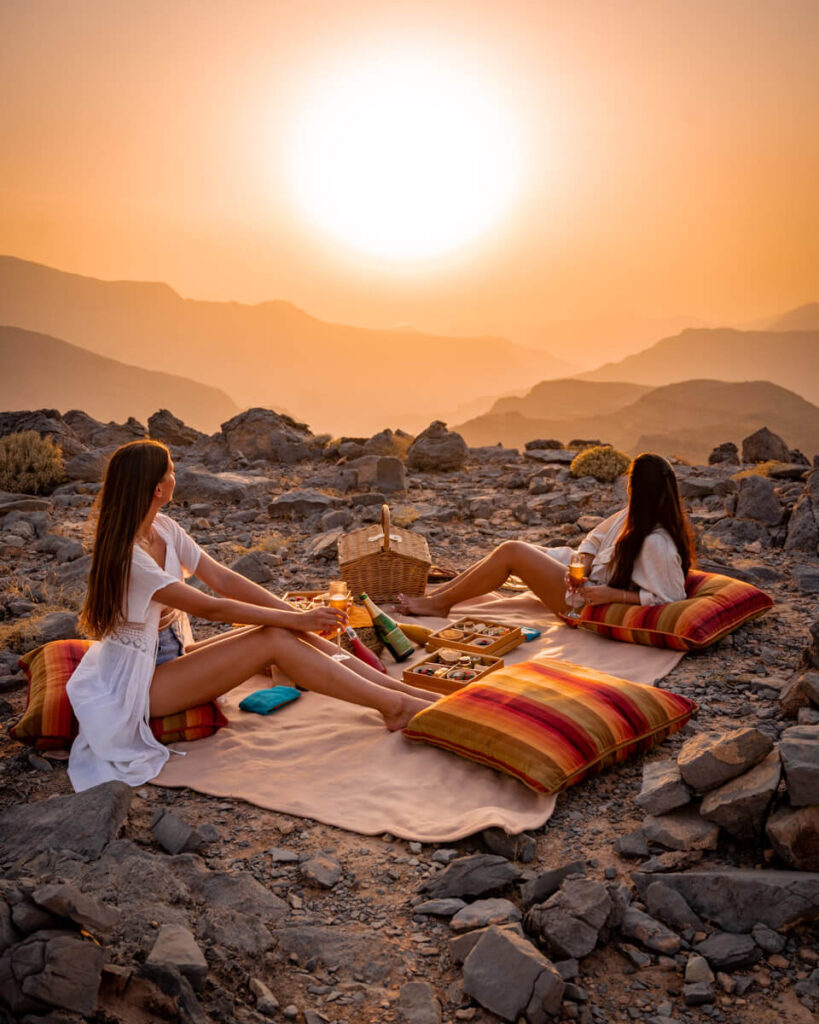
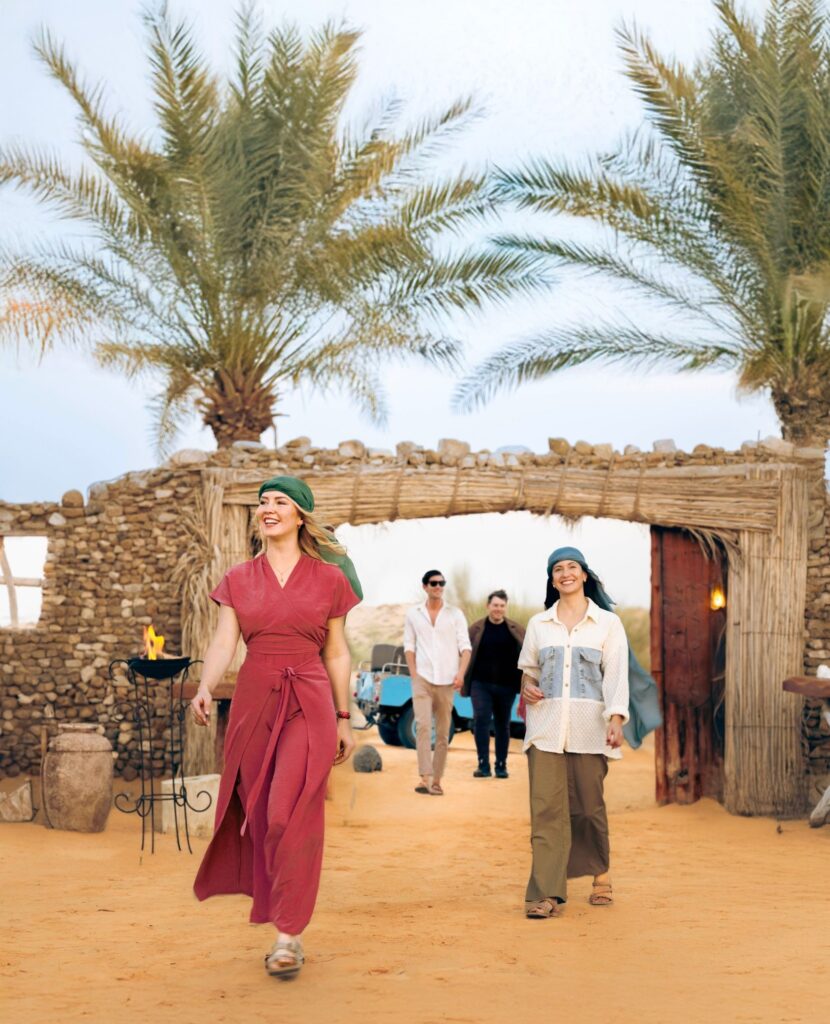
Oman has always been that cool, understated friend who was into sustainability before it was trendy. The Sultanate is serving up raw, untouched nature—dramatic mountains, pristine beaches, endless deserts—all with a “take only photos, leave only footprints” philosophy that actually works. Hiking through ancient wadis, sleeping under stars so bright they look fake, snorkeling in waters so clear you can see forever—all while knowing you’re not destroying the very thing you came to see.
Here’s the kicker: eco-conscious travel is creating whole new visa categories. Want to volunteer with turtle conservation for a month? There’s a visa for that. Planning to study traditional farming methods with Omani communities? Extended-stay eco-visas are now a thing. The region is literally rolling out the red carpet for travelers who want to do good while having the time of their lives.
Remember when traveling meant standing in endless lines, filling out forms in triplicate, and praying your luggage showed up? Yeah, the Middle East left that nightmare in the past.
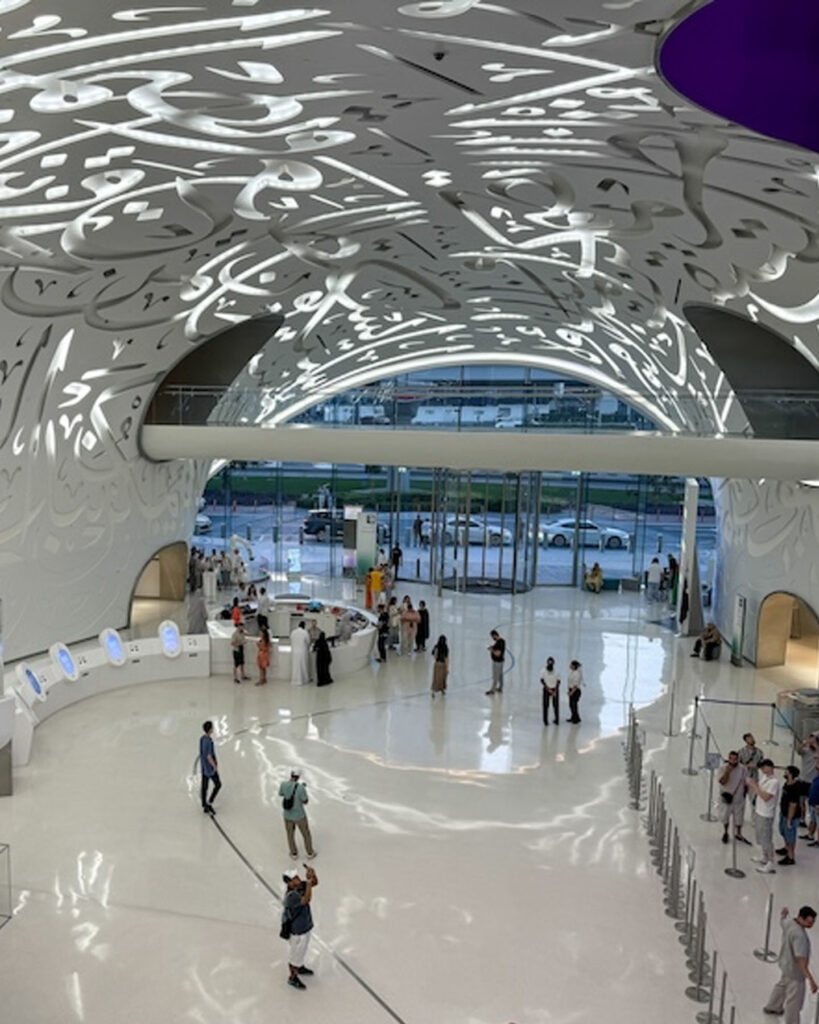
Flying into a Gulf airport in 2026 is like stepping into a sci-fi movie, except it’s real and it’s spectacular. Facial recognition systems that actually work? Check. Walking straight from your plane to your taxi without showing a single piece of paper? Standard. Immigration processing that takes 30 seconds instead of 30 minutes? Welcome to the new normal.
Your face is literally your passport now. The moment you land, biometric systems recognize you, confirm your visa status, and wave you through like a VIP. It’s so smooth, so seamless, you’ll wonder if you actually went through immigration or if you dreamed it.
But here’s where it gets really wild: your phone becomes your all-access pass to everything. One app manages your visa status, books your desert safari, calls you a self-driving taxi, gets you into museums, pays for your shawarma, and even recommends the best spot to watch the sunset based on real-time weather data and your personal preferences. It’s like having a local best friend, a travel agent, and a fortune teller all in your pocket.
And AI chatbots? They’re not those useless robots that make you want to throw your phone at a wall. These are sophisticated digital genies that actually understand what you’re asking and give you answers that make sense. Need to know if your visa allows you to visit multiple countries? Ask at 3 AM in any language and get an instant, accurate answer. Want restaurant recommendations that match your exact dietary preferences and budget? Done in seconds.
The absolute game-changer? Instant visa approvals. Some Gulf countries are now using blockchain technology to verify documents and approve low-risk travelers in literal minutes. Fill out your application over breakfast, get approved before lunch, book your flight for next week. That’s not the future anymore—that’s today.
Let’s be honest: nobody wants to be that tourist anymore. You know the type—takes a million selfies, never actually experiences anything, goes home exactly the same person they were when they left.
2026 travelers want transformation, not transactions. They want stories that make dinner parties legendary, skills they can brag about forever, and memories that give them goosebumps years later. The Middle East is serving up all of that and then some.
Food isn’t just fuel anymore—it’s a cultural passport. Forget tourist-trap restaurants with laminated menus. We’re talking about learning to make perfect hummus from a grandmother in Dubai who’s been perfecting her recipe for 50 years. Wandering through Jeddah’s spice markets with locals who can identify 47 different types of cardamom by smell alone. Harvesting dates in AlUla’s ancient oasis and understanding why this fruit has sustained desert civilizations for millennia. Sharing fresh-caught seafood with Omani fishermen who’ll teach you traditional fishing techniques passed down through generations.
These aren’t just cooking classes—they’re time machines that transport you into the heart of Arabian culture.
Wellness in the Middle East has evolved way beyond cucumber water and spa music. We’re talking about desert retreats where you disconnect from WiFi and reconnect with yourself. Imagine: yoga at sunrise in the Empty Quarter, meditation sessions with traditional Sufi practitioners, digital detoxes in Bedouin camps where the only light comes from stars and campfires. These experiences don’t just relax you—they rewire you. People come back talking about “finding themselves” and actually mean it.
Then there’s the history. Saudi Arabia has opened up archaeological sites that were literally locked away for decades. You can now walk through 2,000-year-old Nabataean tombs in Hegra (think Petra’s cooler, less crowded cousin), explore ancient trading posts that once connected empires, and see rock art created by humans before the pyramids existed. With expert guides who make history feel like the most exciting thriller you’ve ever read.
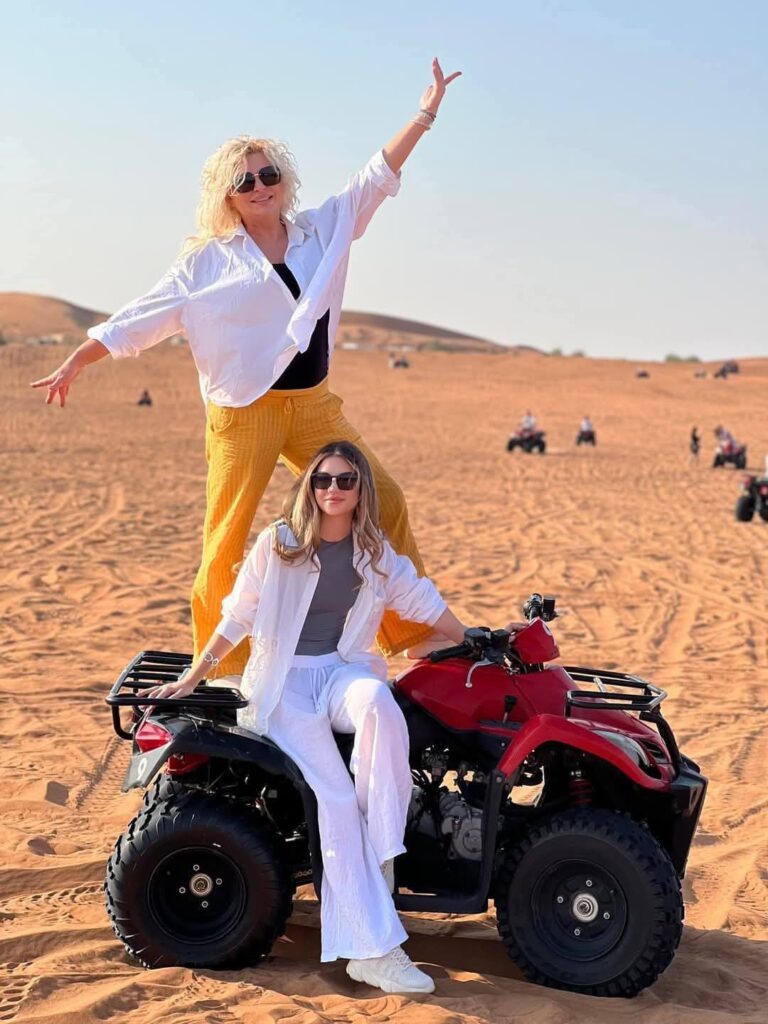
Adventure seekers? The Middle East is your new playground. Mountain climbing in Oman’s Hajar range, diving with whale sharks in the Red Sea, running marathons across desert dunes, exploring underwater caves—all led by local guides who grew up in these environments and know every secret the landscape holds.
Here’s what’s wild: visa categories are evolving to match these deeper experiences. Want to spend a month studying Arabic calligraphy with a master? There’s now a cultural exchange visa for that. Interested in a three-month falconry apprenticeship? Special long-stay visas make it possible. The bureaucracy is actually catching up with the adventure.
Here’s a secret the ultra-wealthy figured out: real luxury in 2026 isn’t about how much you spend—it’s about what money literally cannot buy.
The Middle East has completely redefined what “luxury” means, and honestly, it’s refreshing. Sure, the seven-star hotels are still there, the private islands haven’t gone anywhere, and you can still arrive by helicopter if that’s your thing. But the conversation has shifted dramatically.
Today’s luxury traveler wants what nobody else can have: exclusive access to experiences so rare, so authentic, that they’re essentially priceless.
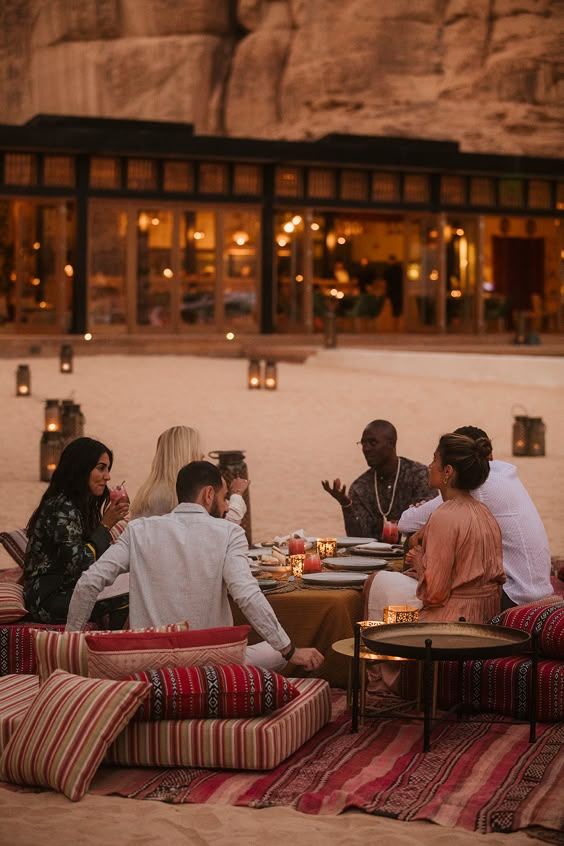
Picture this: a private tour of Hegra’s tombs after the site closes to the public, with an archaeologist who’s spent 20 years studying the site explaining mysteries that haven’t been published yet. Or a desert camp experience where a Bedouin elder shares navigation techniques using stars that his family has used for centuries—knowledge that can’t be Googled, bought, or faked.
The hottest luxury properties aren’t trying to out-bling each other anymore. They’re competing on cultural authenticity. Historic fort conversions where you sleep in rooms that once housed merchants traveling the Silk Road. Coastal retreats where the hotel’s pearl diving program teaches you skills that created entire economies centuries ago. Desert camps where the “amenities” include astronomers explaining celestial patterns that guided ancient caravans.
Bespoke experiences have reached insane levels of personalization. We’re talking about commissioning private archaeological digs (under professional supervision, obviously), arranging exclusive audiences with master craftspeople whose waiting lists are normally years long, or creating one-night-only culinary events with rare ingredients and celebrated chefs. These experiences are designed around individual passions so specifically that they literally can’t be replicated.
What’s fascinating is how this has flipped location desirability on its head. The most exclusive destinations now are often the most remote. AlUla’s isolation is precisely what makes it attractive. The Musandam Peninsula’s inaccessibility is its biggest selling point. Luxury travelers are seeking places that are difficult to reach because that difficulty guarantees exclusivity.
For the visa side of things, high-end travelers expect—and get—white-glove service. We’re talking guaranteed approvals, VIP processing, concierge-level support for every visa question, and the kind of personalized attention that makes bureaucracy feel like hospitality. Because when you’re spending serious money on a trip, visa stress should not be part of the package.
Why visit one Middle Eastern country when you can hit five in the same trip without losing your mind to visa paperwork?
The Gulf has figured out what Europe knew decades ago: making it easy to visit multiple countries turns casual tourists into regional explorers. And in 2026, they’ve absolutely nailed it.
The GCC unified tourist visa situation has evolved into something beautiful. You can now structure epic trips that bounce between countries like you’re collecting passport stamps for sport. Monday morning meetings in Dubai’s financial district? Check. Tuesday afternoon exploring Muscat’s ancient forts? Done. Wednesday beach hopping in Bahrain? Why not. Thursday diving into Jeddah’s emerging art scene? Absolutely. Friday prayer at the Grand Mosque, then weekend shopping in Abu Dhabi? You’re living the dream.
All of this on one visa. ONE.
The flight connectivity is borderline ridiculous now. Gulf carriers have created route networks so comprehensive that city-hopping feels like taking the metro. Flights between regional capitals are so frequent, affordable, and convenient that spontaneous weekend trips to neighboring countries have become totally normal. “Hey, let’s hit Riyadh this weekend for that new restaurant everyone’s talking about” is an actual thing people say now.
Cruise tourism has exploded too, with ships designed specifically for Gulf routes. These aren’t your grandma’s cruises—they’re floating five-star hotels that dock in multiple countries, handle all the visa complications for you, and let you wake up in a different country every other day without packing and unpacking constantly. The routes strategically combine blockbuster destinations like Dubai with emerging gems in Saudi Arabia and Oman, giving travelers a greatest-hits tour of the entire region.
Here’s what this means practically: travelers are getting smarter about visa strategy. They’re asking questions like “Which country should I apply through first?” and “How do I maximize my visa validity to keep coming back?” They’re planning trips that might involve multiple entries to different countries, extended stays, and return visits within the same year.
This is where professional visa services become absolute lifesavers. Navigating multi-country entry requirements, understanding how different visas interact, optimizing application timing, knowing which visa types allow the flexibility you need—this stuff gets complicated fast. Having experts who live and breathe Gulf visa regulations means you can focus on planning the fun parts of your trip instead of decoding bureaucratic fine print at 2 AM.

Look, we could write another 2,000 words about how incredible Middle East travel is in 2026, but at some point, you’ve got to stop reading and start packing.
The Middle East has transformed itself from “maybe someday” into “why haven’t I booked this yet?” It’s offering experiences that didn’t exist five years ago, in places that were closed to tourism a decade ago, with a level of accessibility and convenience that would have seemed impossible even two years ago.
Every single trend we’ve covered—the mega-events, the eco-luxury, the seamless technology, the transformative experiences, the redefined luxury, the multi-country ease—they’re all happening RIGHT NOW. Not in some distant future. Not in limited pilot programs. This is the present reality of Middle Eastern travel in 2026.
Here’s what you need to understand: the region is evolving so fast that waiting even six months means you’ll miss things. New hotels are opening, new archaeological sites are being unveiled, new visa agreements are being signed, new festivals are being announced. The Middle East of December 2026 will be noticeably different from the Middle East of February 2026.
The visa process—once the biggest headache in planning Middle Eastern travel—has become shockingly simple with the right help. Countries are competing to make entry easier because they want you there. They’ve invested billions in infrastructure, trained thousands of hospitality professionals, and opened their most precious cultural treasures specifically so you can experience them.
Your next step is ridiculously simple: Stop overthinking it. Choose your dates. Pick your countries. Decide your vibe (luxury? Adventure? Cultural deep-dive? All of the above?). Then let Gulf Visa Services handle the paperwork while you handle the exciting part—actually planning the experiences that’ll make everyone jealous.
The Middle East in 2026 isn’t just a destination. It’s where the ancient world and the future collide in the most spectacular, unexpected, utterly mind-blowing ways possible. It’s where you can explore 2,000-year-old tombs in the morning and attend a cutting-edge tech conference in the afternoon. Where you can practice meditation with Bedouin elders and then party at a concert featuring global superstars.
This is happening. You can be part of it or you can read about it later and wish you had been.
The question isn’t whether you should visit the Middle East in 2026. The question is: what are you waiting for?
Gulf Visa Services is ready when you are. Your adventure starts with one conversation. Make it happen. click here to find more details about Oman Tourist Visa, Qatar Tourist Visa, Saudi Arabia Visa.