

While headlines fixate on events far to the north, thousands of travellers continue to make the iconic road journey between Dubai and Muscat every single week. The Dubai–Muscat highway corridor — stretching roughly 420 kilometres across the eastern edge of the Arabian Peninsula — remains one of the most functional, well-maintained, and operationally stable overland routes in the entire Gulf region.
The ongoing Iran conflict, which escalated significantly in early 2026, has understandably made travellers anxious. Questions about border closures, fuel availability, convoy restrictions, and visa processing delays have flooded travel forums and Gulf Visa Services' inbox alike. This guide is designed to answer those questions directly, practically, and without unnecessary alarm.
The short answer is this: the Dubai–Muscat road route is open, active, and safe for civilian travel. But there are important updates, revised crossing protocols, and situational advisories you absolutely need to know before you go.
Understanding the Geopolitical Context (Without Overreacting)
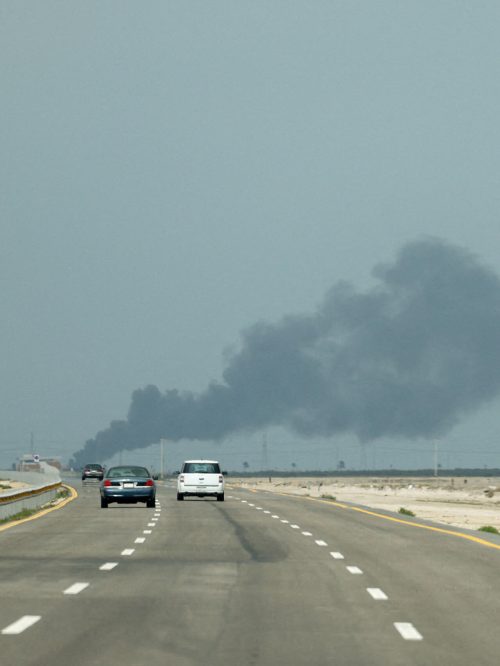
The conflict between Iran and coalition forces has been concentrated primarily in the Strait of Hormuz maritime zone and along the Iran–Iraq northern corridor. The UAE and Oman have both maintained official neutrality positions, and critically, neither government has closed land borders or restricted civilian movement between the two countries.
What has changed is the regional security posture. Both the UAE and Omani authorities have elevated border monitoring procedures. Vehicles crossing at Hatta and Al Ain/Buraimi checkpoints now undergo more thorough documentation checks. There are occasional delays — sometimes up to two or three hours — at peak crossing times.
The UAE Ministry of Foreign Affairs and Oman’s Royal Oman Police have both issued advisories encouraging travellers to carry complete documentation, allow extra crossing time, and avoid any photography near border infrastructure. These are precautionary measures, not signs of imminent closure.
What does this mean for you? Plan for delays. Carry your paperwork in order. Do not panic.

The most commonly used route follows the E611 (Dubai–Al Ain Expressway), crossing into Oman via the Al Ain–Buraimi border post, and then continuing along Oman’s Route 1 (the Batinah Coastal Highway) through Sohar and Muscat.
Total distance: Approximately 420–450 km depending on your starting point in Dubai.
Estimated driving time: 5 to 7 hours under normal conditions. In March 2026, build in an additional 1.5 to 2 hours for border procedures.
Alternative crossing: The Hatta–Mahdah crossing remains fully operational and is sometimes faster during off-peak hours, though the road winds through mountainous terrain and adds roughly 30–45 minutes to the overall journey.
Fuel: All major petrol stations along the route are fully stocked. There was a brief scare in January 2026 regarding fuel supply disruptions, but both UAE and Oman governments confirmed regular supply chains remain unaffected for land routes. Fill up in Dubai before you leave — fuel is cheaper there — and you will have no issues.
This is where Gulf Visa Services can add the most value, because visa processing timelines and requirements have genuinely shifted in response to the regional situation.
UAE residents holding a valid residency visa do not require a separate Omani tourist visa for stays of up to 14 days. This policy remains in effect. However, as of February 2026, border officers are verifying residency visa validity more strictly than before. Your UAE residency must be valid for at least six months beyond your intended entry date into Oman.
If your UAE residency is due for renewal soon, renew it before this road trip.
If you entered the UAE on a tourist or visit visa and wish to travel overland to Oman, you will need a separate Omani entry permit. The good news is that Oman's eVisa system (evisa.rop.gov.om) is still processing applications within 48–72 hours for most nationalities. The conflict has not disrupted this digital processing system.
Apply for your Omani eVisa at least five working days before your travel date. This buffer allows for any processing delays that may arise from the elevated application volumes being seen throughout March 2026.
In response to the regional conflict, Oman has placed a small number of nationalities on an enhanced document scrutiny list. This does not mean denial of entry — it means additional documentation may be requested at the border. Gulf Visa Services strongly recommends contacting us directly if you hold a passport from Iran, Lebanon, Yemen, Iraq, or Syria, as border procedures for these passports have additional steps in 2026.
If you are crossing in a privately owned vehicle registered in the UAE, you will need:
Rental vehicles require a specific cross-border approval letter from the rental company. Not all rental companies permit their vehicles to cross into Oman. Always confirm this before booking a rental for this journey.
Updated Border Crossing Information (March 2026)
This is the most popular crossing for the Dubai–Muscat route and remains fully operational 24 hours a day. However, since January 2026, the crossing operates under what UAE authorities describe as a "heightened readiness protocol." In practical terms, this means more staff, more lanes, but also more thorough document checks.
Average wait times reported by travellers in February 2026: 45 minutes to 2.5 hours on the UAE side, and 30 minutes to 1.5 hours on the Omani side.
Best time to cross: Sunday to Tuesday mornings, between 6 AM and 10 AM, tend to see the lightest traffic. Avoid Thursday afternoons and Friday mornings, which see a surge of weekend travellers.
The Hatta border crossing has seen increased military presence in the surrounding areas due to its proximity to the Fujairah coast, which faces the Gulf of Oman. The crossing itself remains open to civilians but non-residents may face additional questions. This crossing is best avoided unless you are very familiar with the area.
Officers are polite and professional. Do not make jokes about the conflict or regional politics. Keep your phone locked and avoid having any political content, news screenshots, or conflict-related images visible on your device's home screen. These are common-sense precautions that apply anywhere in the Gulf during elevated security periods.
You will be asked to fill in an arrival card on the Omani side. Fill it out completely and accurately. If you are staying in multiple locations in Oman, list your first accommodation. Have the address and contact number ready.
Road Conditions and Safety Along the Route
The physical road infrastructure between Dubai and Muscat is excellent. The E611 in the UAE is a divided dual carriageway with streetlighting, regular service stations, and emergency services. Oman's Route 1 (also known as the Batinah Expressway in sections) is similarly well-maintained.
Speed cameras are everywhere. Both the UAE and Oman have increased speed monitoring along this corridor. Speed limits are strictly enforced. In the UAE, the effective limit on the E611 is 140 km/h with a 20 km/h tolerance — but the tolerance has been reduced at camera points near military installations. In Oman, the limit drops to 120 km/h on the main highway and 60–80 km/h through towns.
Night driving. Driving at night is generally safe on this route, but camels crossing the highway after dark remain a serious hazard on Omani sections of the road, particularly between Sohar and Muscat. If driving at night, slow down significantly once you cross the Omani border and stay alert.
Military convoys. Since the conflict escalated, you may encounter Omani military convoys along Route 1. These are routine movements and not a cause for alarm. Slow down, keep your distance, do not overtake unless it is clearly safe to do so, and do not photograph or film them.
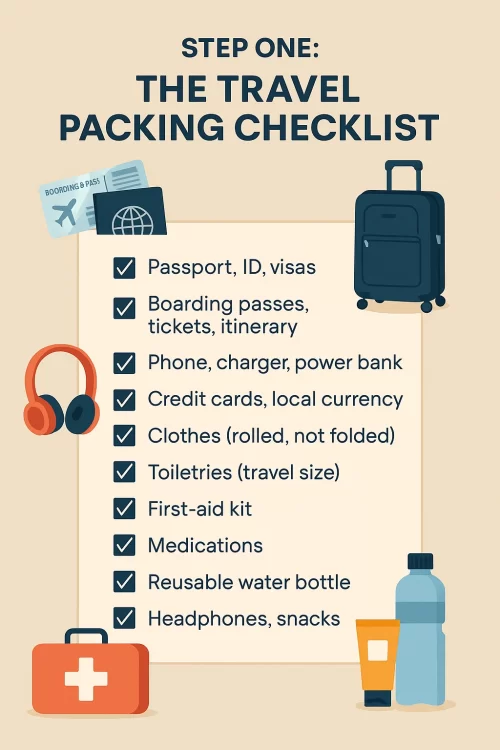
Beyond documentation, here is what Gulf Visa Services recommends having in your vehicle for this journey in 2026:
A printed copy of your itinerary and hotel bookings — having physical copies is smart when digital signal is intermittent near some border areas. Sufficient water for the journey, as the weather in March is warming up and you could be sitting in a stationary queue for a couple of hours. A portable phone charger, because you will likely spend time at the border with your engine off. Emergency contact numbers for the UAE Embassy in Oman (+968 2469 1828) and the Oman Royal Police emergency line (9999). Basic first aid kit and a reflective triangle, both of which are legally required in the UAE.
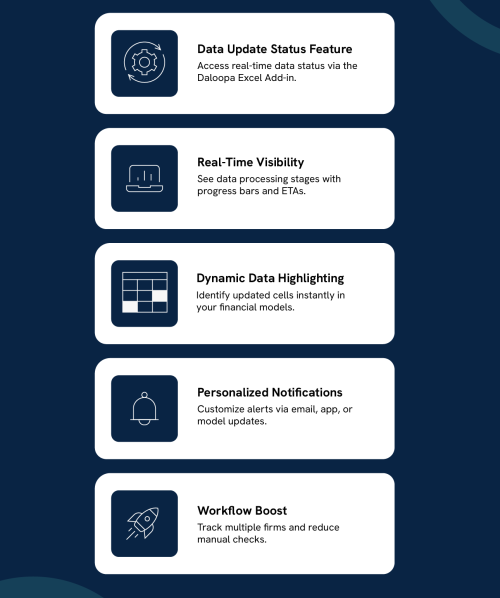
The situation in the region is fluid. While the Dubai–Muscat route is currently stable, Gulf Visa Services recommends monitoring the following in the days before your travel:
The UAE Ministry of Foreign Affairs (mofa.gov.ae) publishes travel advisories updated daily. The Royal Oman Police (rop.gov.om) maintains a border crossing status page. The Gulf Visa Services WhatsApp advisory channel sends real-time alerts to subscribers regarding border crossing conditions — sign up via our website before you travel.
Local Facebook groups such as “Oman Expats” and “UAE Road Warriors” are also surprisingly accurate sources of real-time border wait time information posted by travellers who just crossed.
Road Conditions and Safety Along the Route
The Dubai–Muscat road journey is one of the great drives of the Arabian Peninsula. It takes you through the dramatic Hajar Mountain foothills, along palm-fringed coastline, and delivers you into one of the most genuinely welcoming cities in the Arab world. The current conflict has added some procedural friction to the journey, but it has not closed the road, the borders, or the warm welcome that awaits on the Omani side.
Gulf Visa Services has been processing visas for this corridor since 2009. Our advice, in 2026 as always, is practical: get your paperwork right, cross at the right time, give yourself extra hours, and enjoy the drive.
If you need assistance processing an Omani eVisa, a cross-border vehicle permit, or travel documentation verification before your trip, our team is available seven days a week.
Gulf Visa Services | Specialists in UAE, Oman, Saudi Arabia, and GCC Visa Processing This article was last updated in March 2026 and reflects current conditions as of publication. Always verify with official government sources before travel.
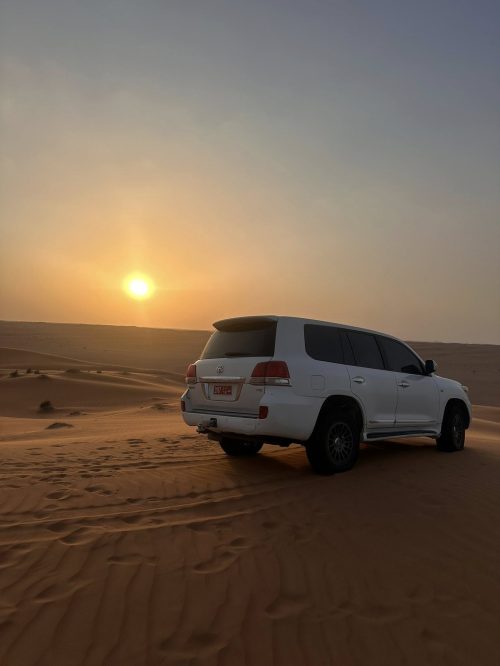
While the UAE and Oman remain stable, the regional conflict introduces indirect risks:
Airspace Restrictions: Some flight paths are rerouted, making road travel more appealing.
Fuel Prices: Global oil market volatility affects costs, but the UAE and Oman maintain relative stability.
Information Flow: Misinformation spreads quickly during conflicts. Rely on official sources and trusted travel partners.
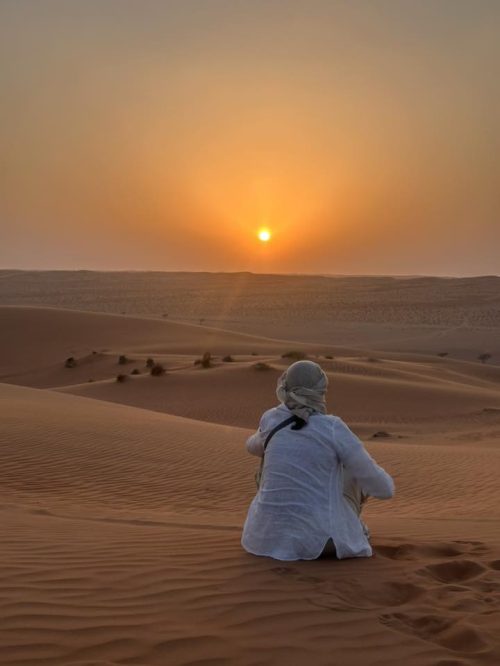
In uncertain times, reliable guidance is invaluable. Gulf Visa Services offers:
Visa Assistance: Tourist, business, and family visit visas tailored to current regulations.
Travel Advisory Updates: Real-time information on border policies and advisories.
Cultural Guidance: Tips for respectful, authentic engagement across the Gulf.
Campaigns & Content: We blend cultural authenticity with practical travel solutions, ensuring travelers feel informed and confident.
The Dubai-to-Muscat journey in 2026 is more than a road trip—it’s a testament to resilience, cultural continuity, and the enduring spirit of Gulf travelers. While the Iran conflict casts uncertainty, the UAE and Oman remain committed to stability, hospitality, and safe passage. With preparation, respect, and the right guidance, this journey can still be one of discovery and connection.
At Gulf Visa Services, we stand ready to support every traveler—whether you’re crossing borders for business, family, or adventure. The road ahead may be complex, but it is also full of possibility.