
Gulf Countries

The Gulf Cooperation Council (GCC) Countries

An Overview

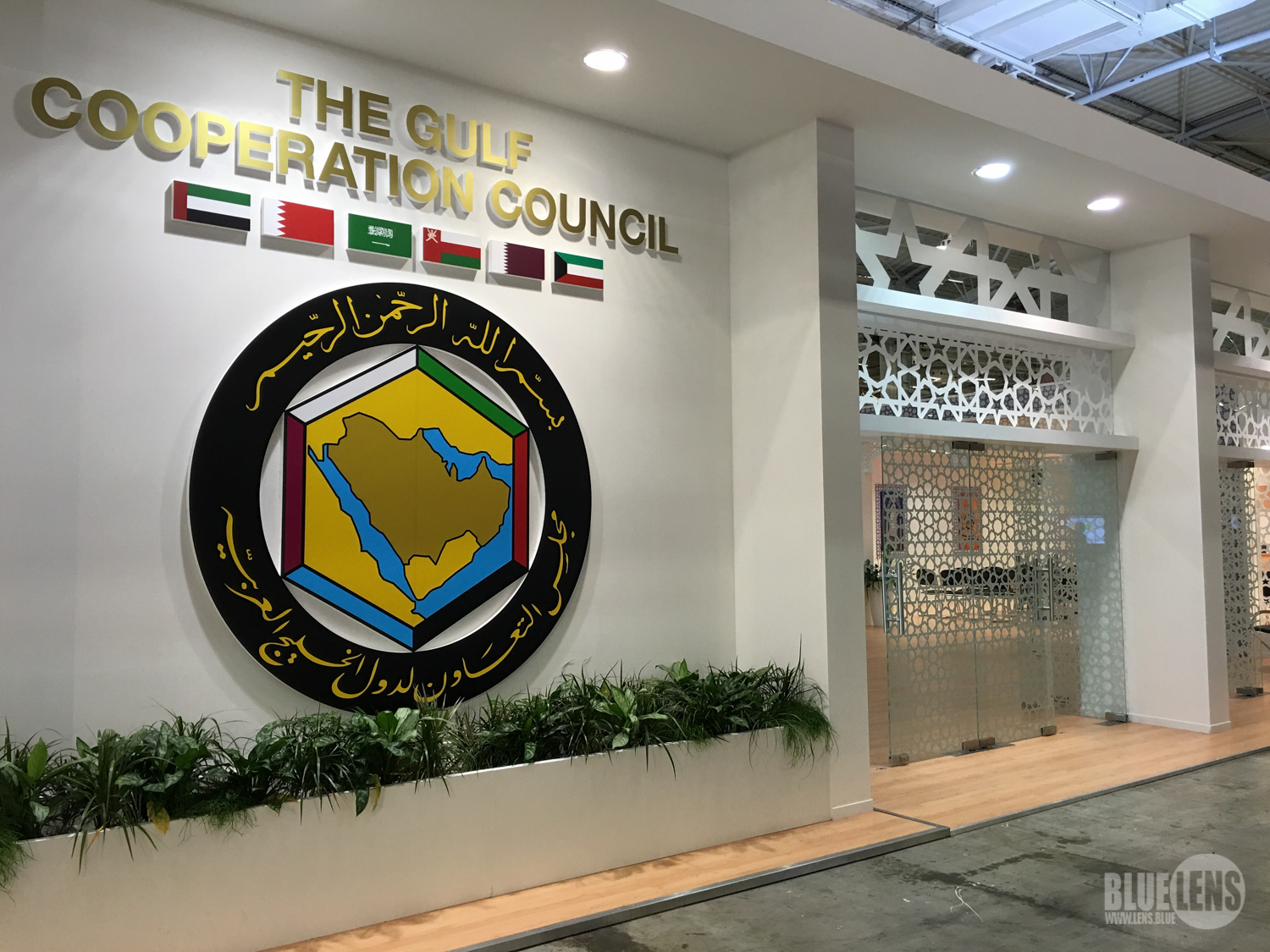
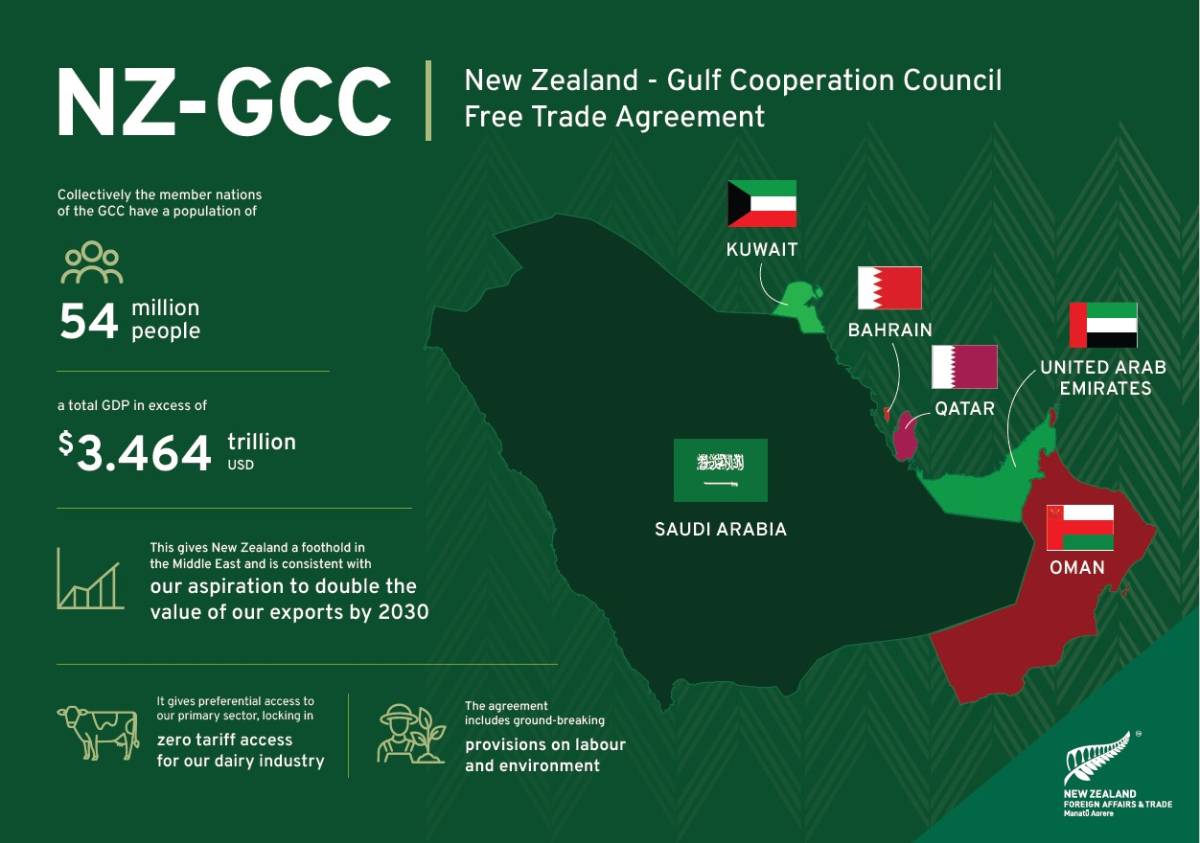
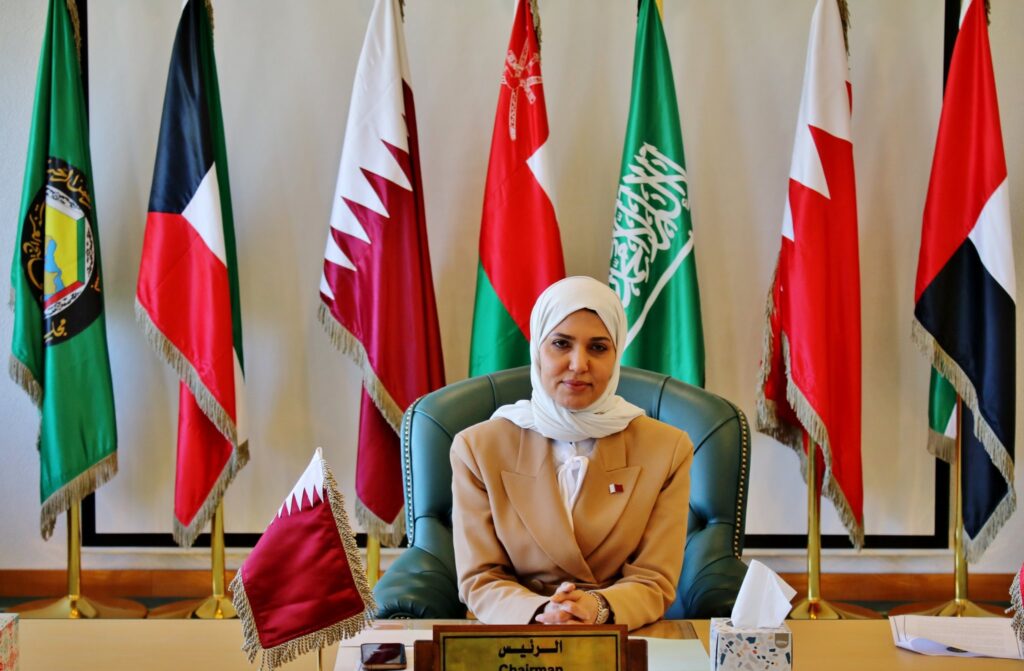
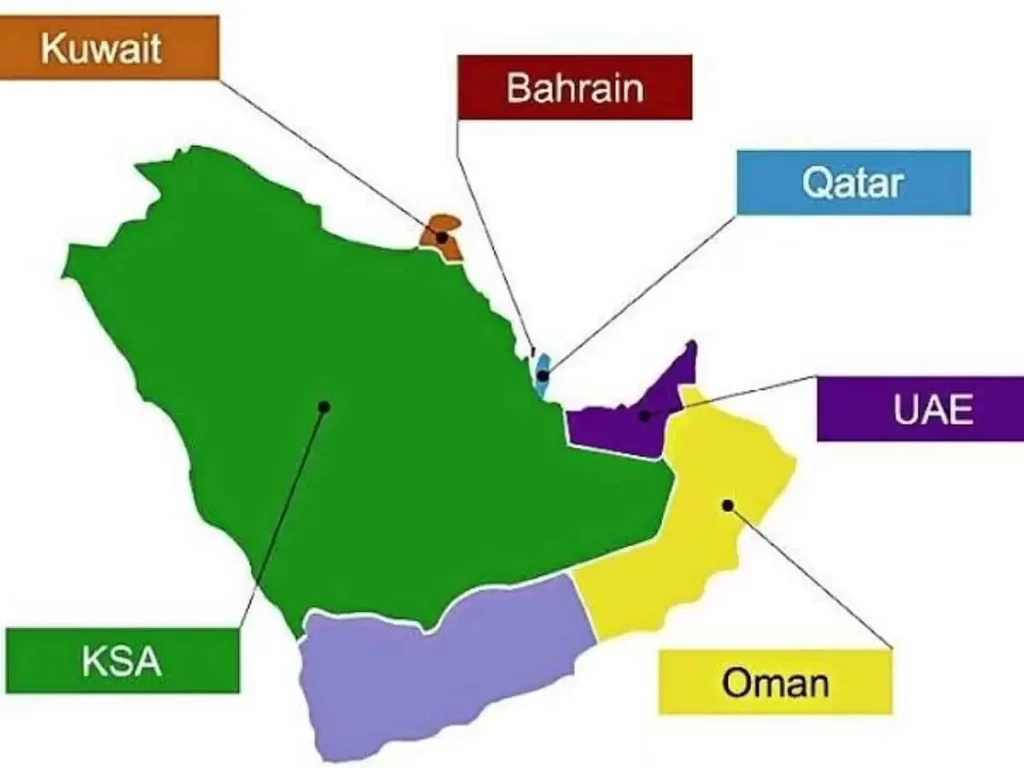
The Gulf Cooperation Council (GCC) is a regional political and economic alliance consisting of six Middle Eastern countries: Bahrain, Kuwait, Oman, Qatar, Saudi Arabia, and the United Arab Emirates (UAE). Established in 1981, the GCC aims to foster economic, political, and security cooperation among its member states. These countries share historical, cultural, and economic ties, as well as strategic importance due to their vast oil and gas reserves.
Historical Background of the GCC Countries

Gulf Countries

The GCC was founded on May 25, 1981, in Abu Dhabi, UAE, in response to regional challenges and the need for economic and security cooperation. The organization was established to enhance collective security, economic growth, and regional stability. The founding countries recognized the benefits of working together to strengthen their economies and protect their interests against external threats.

Who Can Apply for an Oman eVisa?
Gulf Cooperation
Gulf Countries

Geography and Demographics

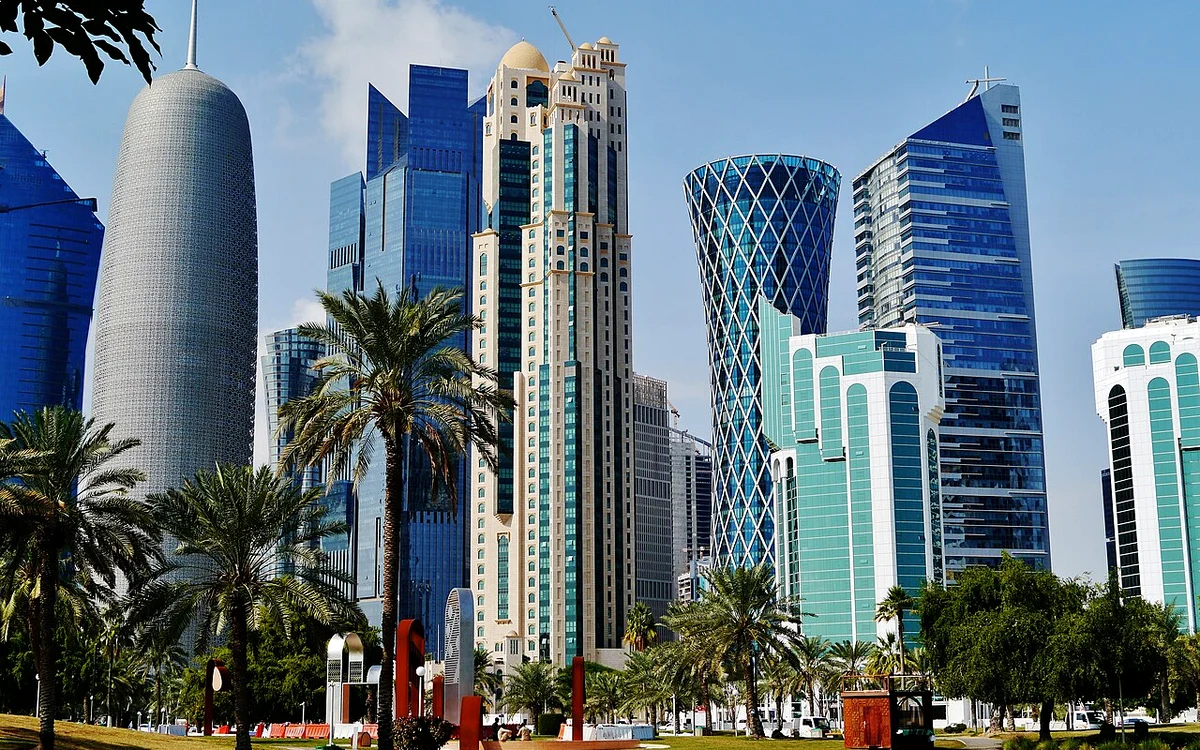
The GCC countries are located in the Arabian Peninsula and the surrounding areas, with coastlines along the Persian Gulf and the Arabian Sea. The region is known for its arid desert climate, with some areas experiencing extremely high temperatures. Despite harsh climatic conditions, the GCC countries have developed rapidly over the past few decades.

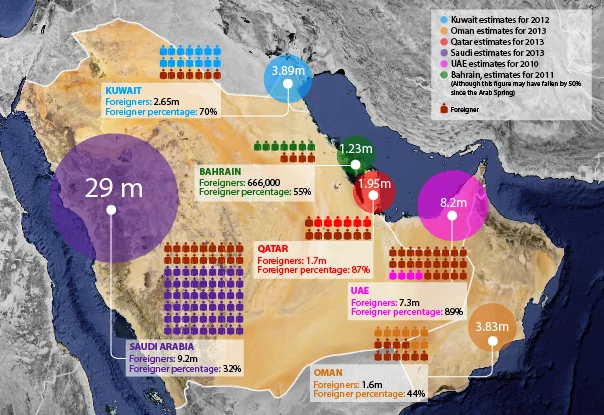
The combined population of the GCC countries is over 57 million, with Saudi Arabia being the most populous, followed by the UAE. The region has a diverse demographic structure, including a large expatriate population, particularly in the UAE, Qatar, and Kuwait. Foreign workers play a significant role in various sectors, from construction to finance and healthcaest oil producer among them. The oil and gas industry is the backbone of their economies, contributing significantly to GDP and government revenues.

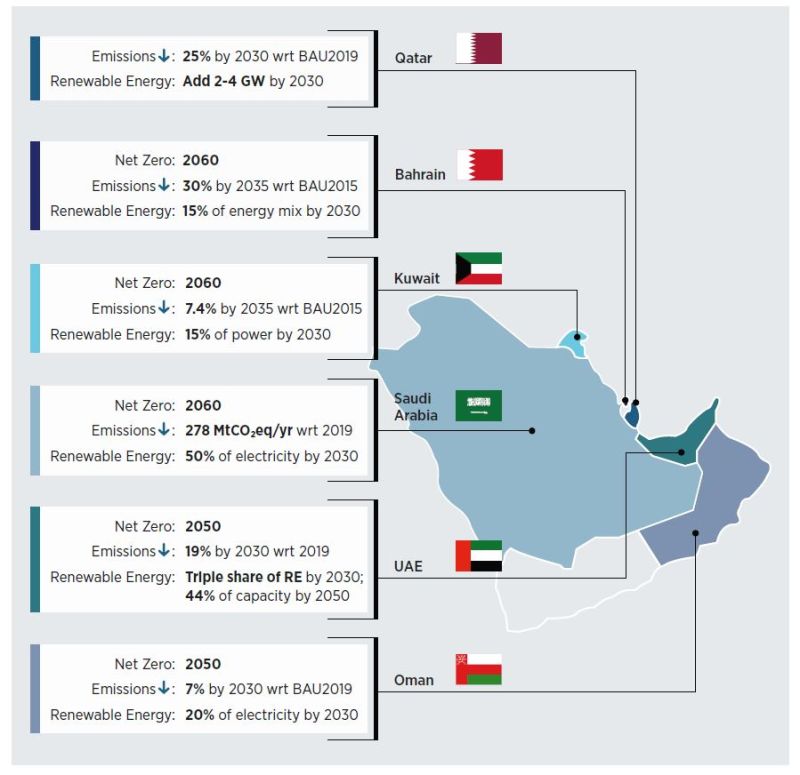
However, in recent years, GCC countries have been diversifying their economies to reduce dependence on hydrocarbons. Initiatives such as Saudi Arabia’s Vision 2030, the UAE’s economic diversification plans, and Qatar’s National Vision 2030 aim to boost sectors like tourism, technology, renewable energy, and finance.

Individual Profiles of GCC Countries

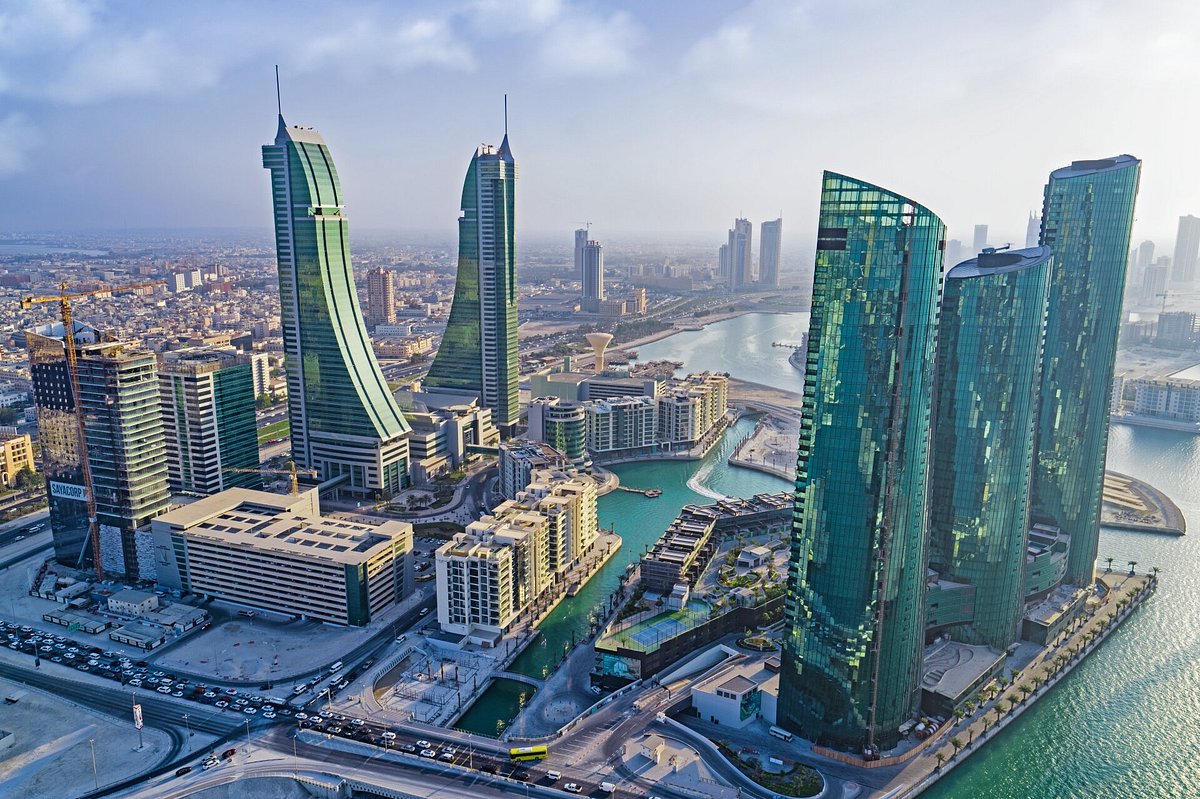
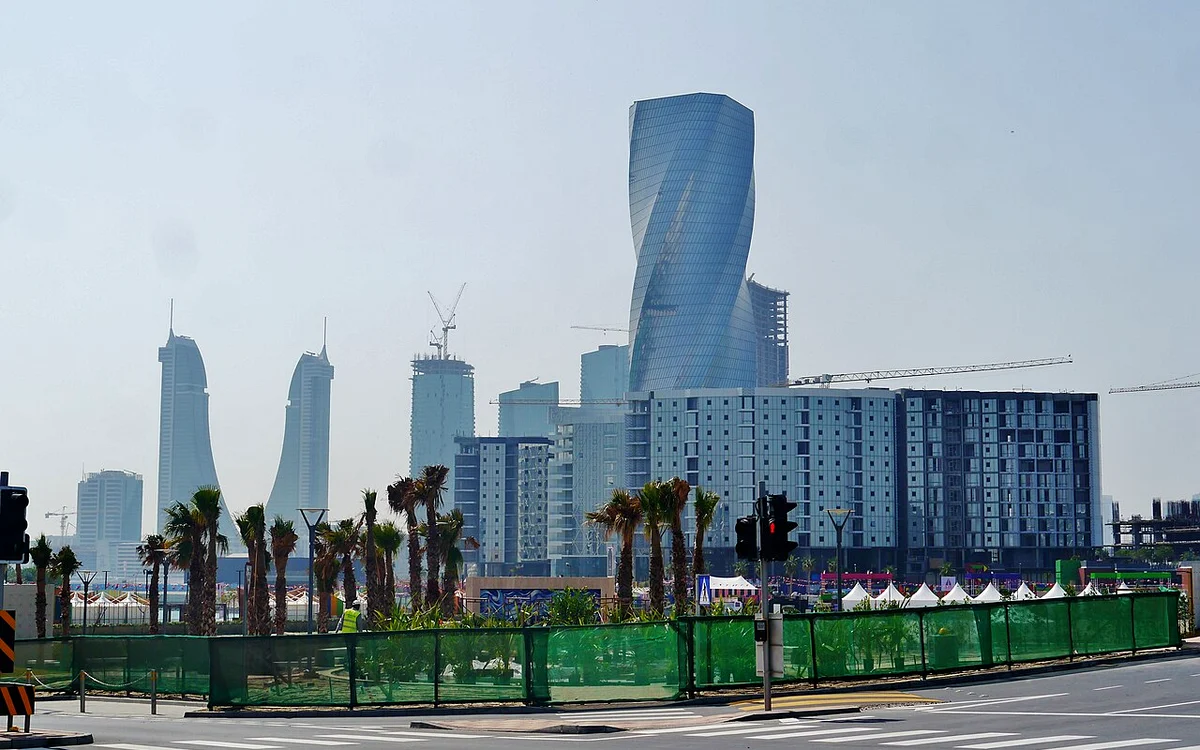
Bahrain is an island kingdom in the Arabian Gulf connected to Saudi Arabia by the 25-km King Fahd Causeway. Known globally for Manama Financial Harbour, FinTech Bay, historic Pearling Path heritage, and the Formula 1 Bahrain Grand Prix at Sakhir, Bahrain offers 14-day single-entry, 3-month multi-entry, and 1-year multi-entry NPRA eVisas, GCC Resident Causeway permits, LMRA work permits, and 10-year Golden Residency.

Open Bahrain Visa Page (2026 Guide) →

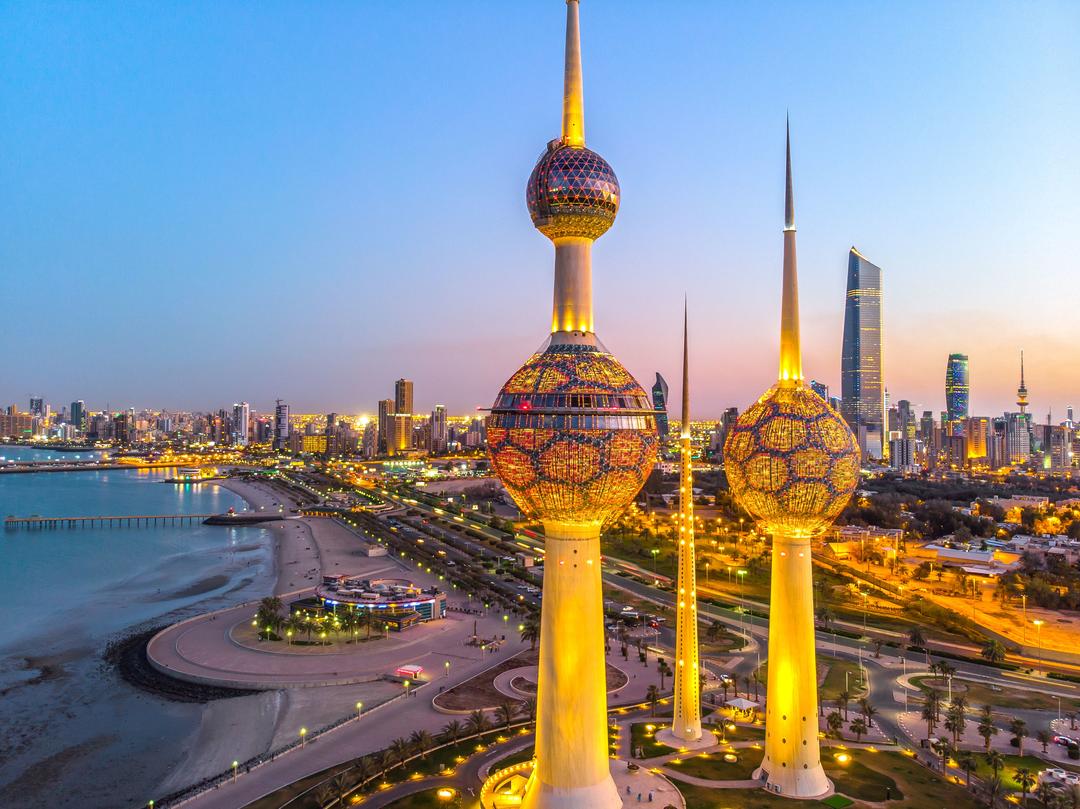
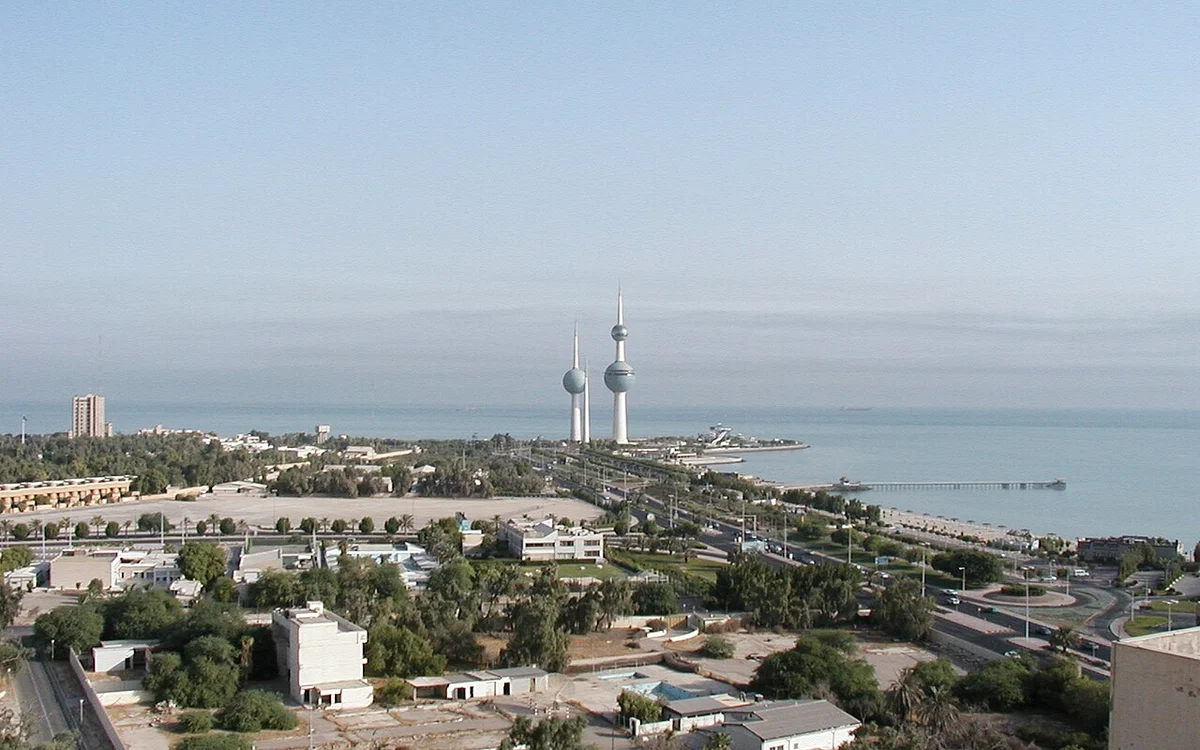
Kuwait sits at the northwestern tip of the Arabian Gulf and boasts one of the world’s strongest sovereign wealth funds and currencies (the Kuwaiti Dinar). Travellers and professionals visiting Kuwait City, Salmiya, or Ahmadi can apply for 90-day Tourist eVisas (53+ eligible nationalities), 30-day GCC Resident eVisas for approved professions, Article 14 Commercial Visit Visas, Article 18 PAM Work Visas, and Article 22 Family Visas.

Open Kuwait Visa Page (2026 Guide) →

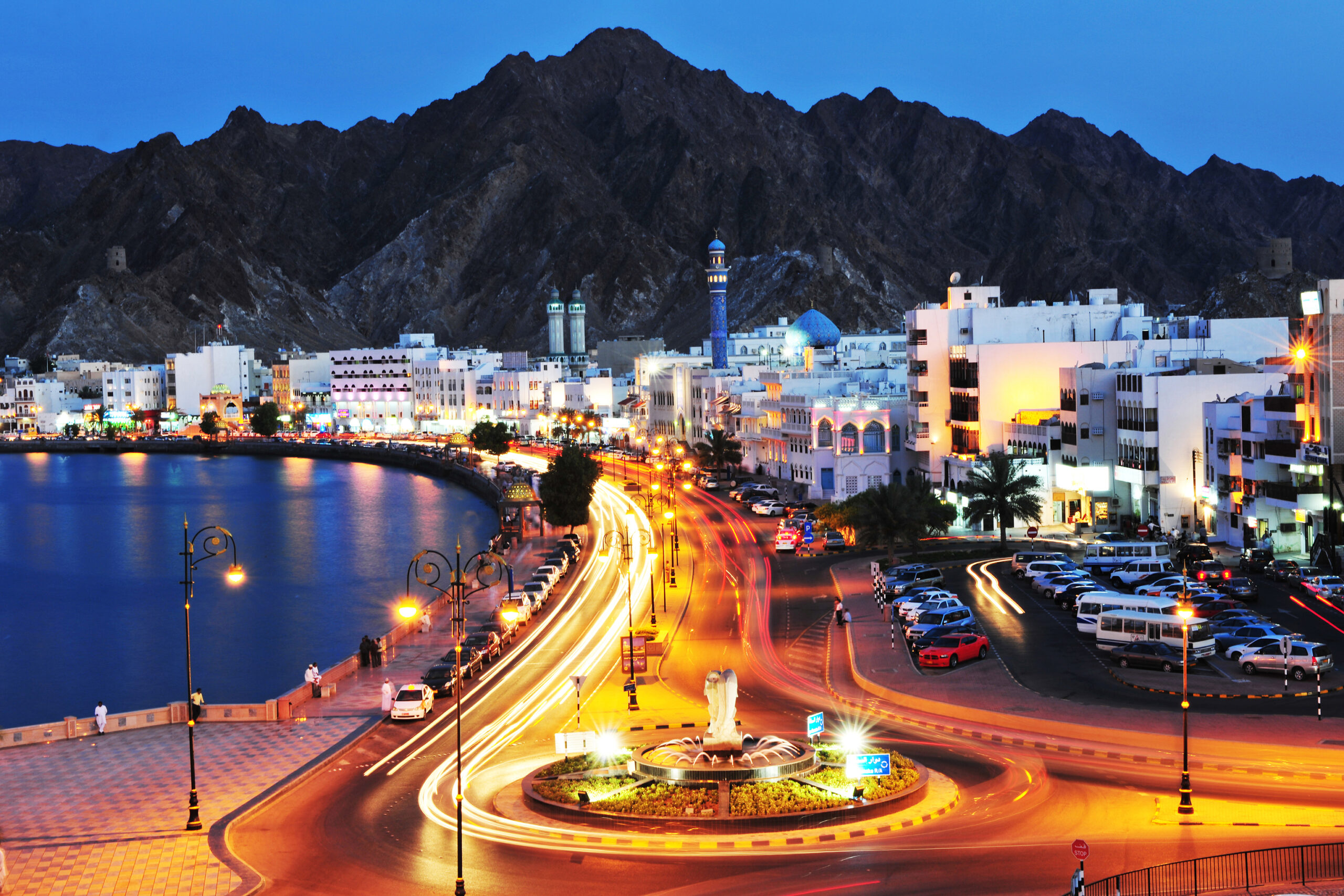
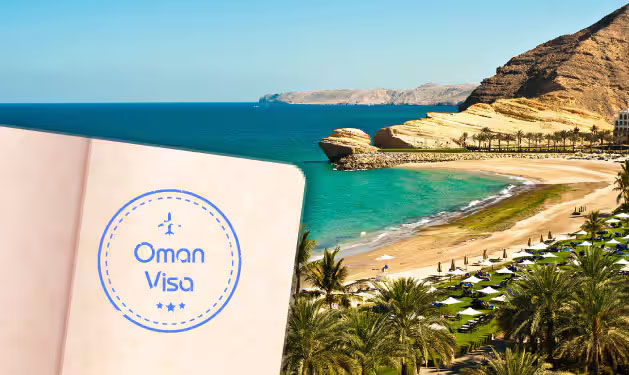
Oman combines dramatic Hajar Mountain peaks, pristine Arabian Sea coastlines, and UNESCO frankincense heritage across Muscat, Nizwa, Jebel Akhdar, Musandam, and Salalah. Administered by the Royal Oman Police (ROP), Oman offers a 14-day visa-free waiver (G1 countries), 10-day (Subclass 26A) and 30-day (Subclass 26B) Tourist eVisas, 28-day GCC Resident Visas (Subclass 29A), and 5/10-year Investor Golden Visas.

Open Oman Visa Page (2026 Guide) →

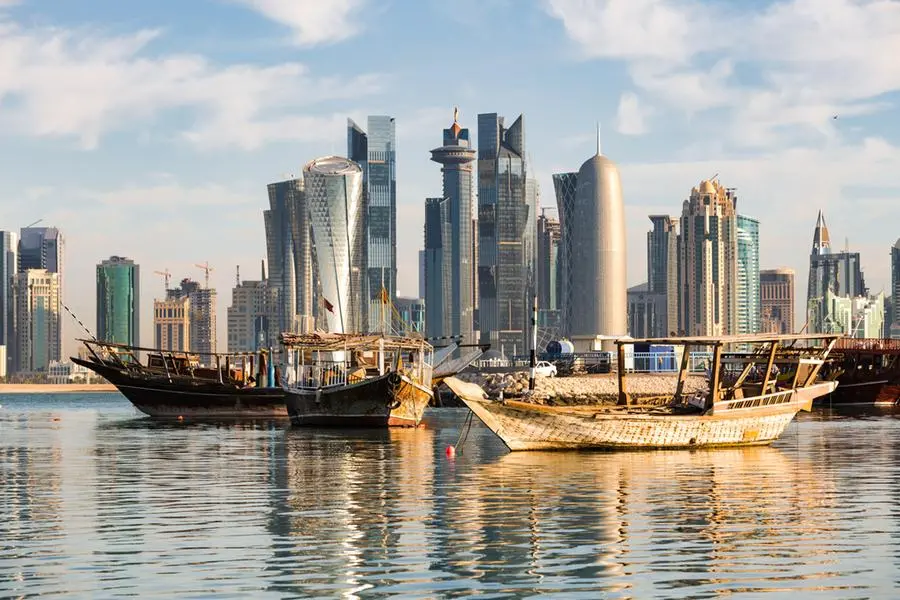
Qatar has transformed Doha, Lusail City, and The Pearl into a premier global hub for LNG energy, Qatar Airways transit tourism, international sports, and exhibitions. Through the official Hayya Platform and MOI Metrash2 system, visitors can access Hayya A1 Tourist eVisas, Hayya A2 GCC Resident Visas, Hayya A3 ETAs (for US/UK/Schengen visa holders), Discover Qatar Visa-on-Arrival packages, QVC Work Permits, and Real Estate Residency.

Open Qatar Visa Page (2026 Guide) →

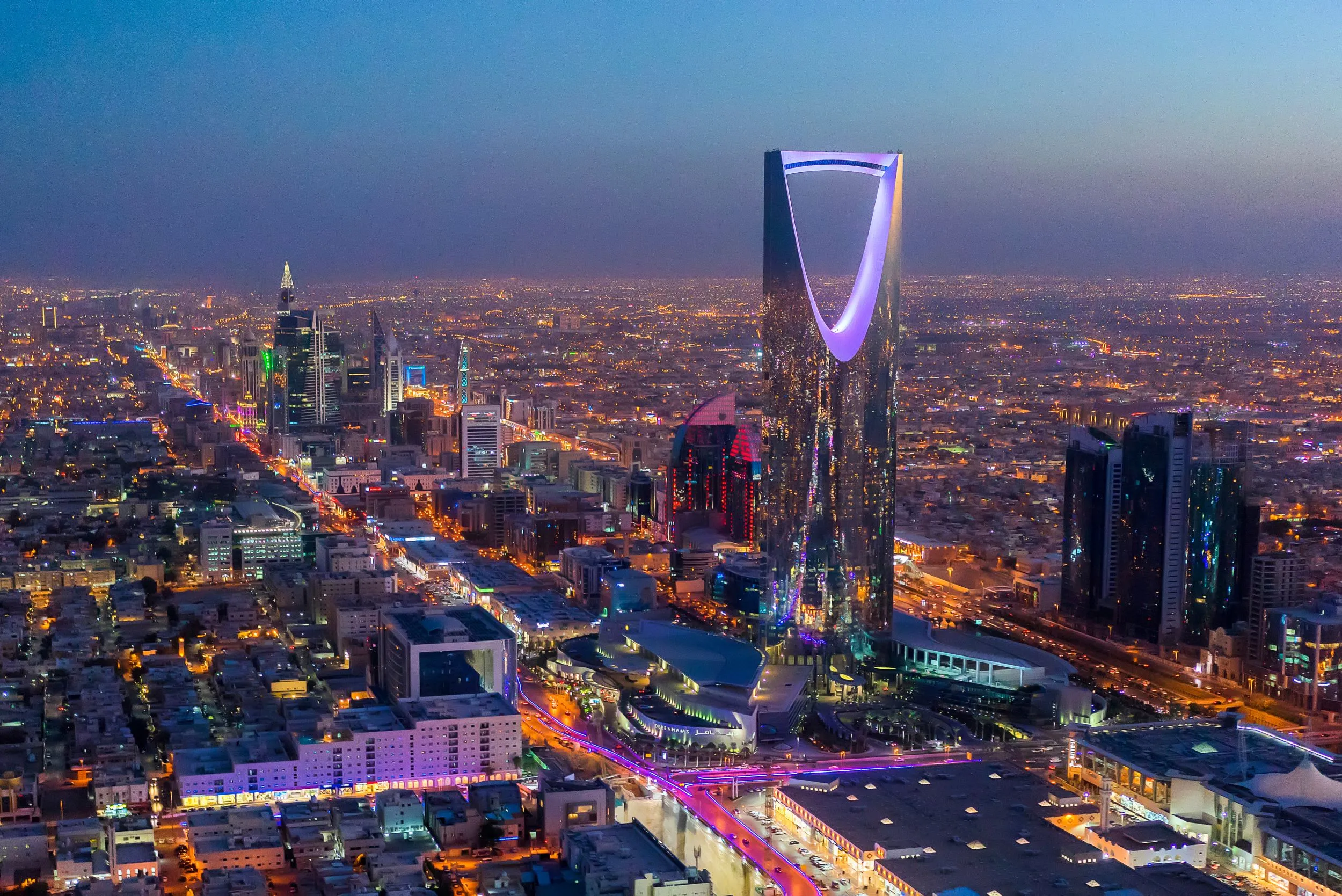
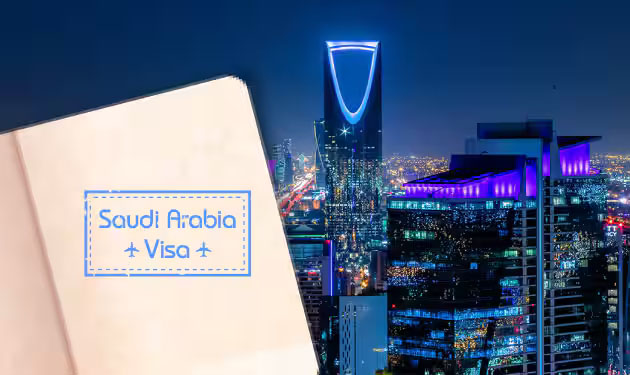
Saudi Arabia (KSA) is the largest economy in the Middle East, home to the Two Holy Mosques in Makkah and Madinah alongside Vision 2030 destinations including Riyadh, Diriyah, AlUla, Jeddah, and the Red Sea. Via the Unified National Visa Platform (ksavisa.sa) and Nusuk, KSA issues 1-year multi-entry Tourist eVisas, GCC Resident eVisas, US/UK/Schengen holder eVisas, Nusuk Umrah Visas, MOFA Family Visit Visas, and Qiwa Work Permits.

Open Saudi Arabia Visa Page (2026 Guide) →

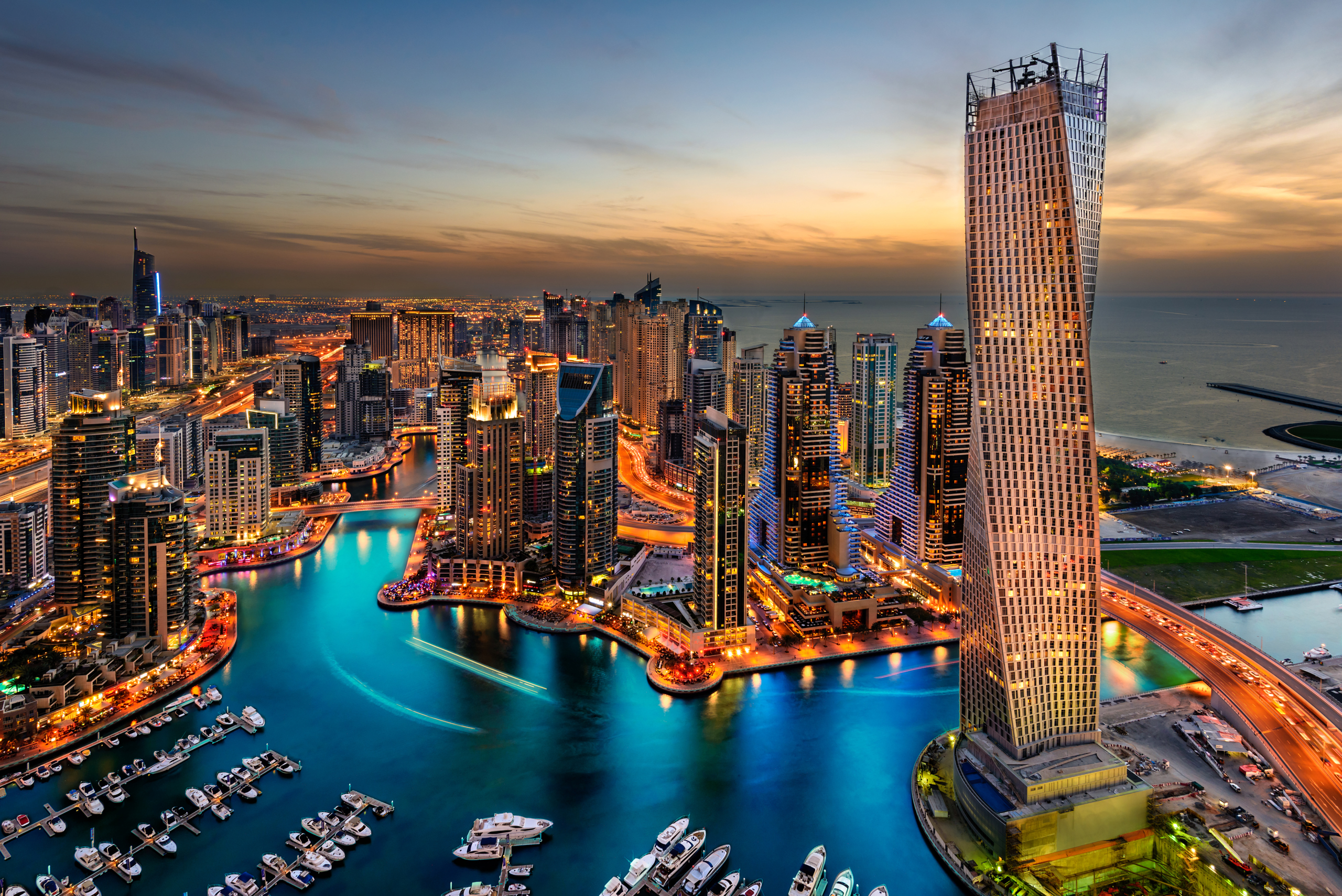
The United Arab Emirates (UAE) unites seven emirates—Dubai, Abu Dhabi, Sharjah, Ajman, Umm Al Quwain, Ras Al Khaimah, and Fujairah—into a world-leading aviation, trade, and lifestyle powerhouse. Through GDRFA Dubai and Federal ICP Smart Services, the UAE provides 30-day and 60-day single/multi-entry Tourist Visas, self-sponsored 5-year Multi-Entry Visas, MOHRE Work Permits, Family Visas, 5-year Green Visas, and 10-year Golden Visas.

Open UAE Visa Page (2026 Guide) →

Visa Process for (GCC) Countries

Visa Process

Traveling to GCC countries requires obtaining a visa, which varies depending on nationality, purpose of visit, and length of stay. Here’s a general overview of the visa process for each country:

Bahrain Visa Process (NPRA & LMRA): Apply online via evisa.gov.bh for 2-week single-entry (BHD 9), 3-month multiple-entry (BHD 16), or 1-year multiple-entry (BHD 44) tourist eVisas, plus fast-track King Fahd Causeway permits for GCC residents and BHD 130,000+ Golden Residency.

View Full Bahrain Visa Requirements →

Kuwait Visa Process (MOI & PAM): Citizens of 53+ countries and GCC residents in approved professions (valid 6+ months Civil ID/Iqama/Emirates ID) can apply via evisa.moi.gov.kw. Employment (Article 18) and Family (Article 22, KWD 800+ salary rule) visas require Wafid medicals and Kuwait Embassy attestation.

View Full Kuwait Visa Requirements →

Oman Visa Process (Royal Oman Police): Processed through evisa.rop.gov.om across Subclass 26A (10-day tourist, OMR 5), Subclass 26B (30-day tourist, OMR 20), Subclass 36B (1-year multi-entry, OMR 50), and Subclass 29A (28-day GCC Resident eVisa, OMR 5) for Muscat Airport and UAE–Oman land borders.

View Full Oman Visa Requirements →

Qatar Visa Process (Hayya & Metrash2): Pre-travel eVisas are issued on hayya.qa (QAR 100 fee + mandatory QAR 50 MOPH visitor health insurance) under Hayya A1 (Tourist), Hayya A2 (GCC Resident), and Hayya A3 (US/UK/Schengen Visa ETA). Indian & Pakistani Visa-on-Arrival travellers require a mandatory Discover Qatar hotel booking.

View Full Qatar Visa Requirements →

Saudi Arabia Visa Process (MOFA, KSA Visa & Nusuk): Provides instant 1-year multiple-entry Tourist eVisas (up to 90 days stay) for 66+ Group A nationalities, GCC residents (3+ months residency validity), and holders of used US, UK, or Schengen visas, alongside Nusuk Umrah Visas, MOFA Family Visit Visas, and Qiwa Work Permits.

View Full Saudi Arabia Visa Requirements →

United Arab Emirates (UAE) Visa Process (GDRFA Dubai & ICP): Offers 30-day and 60-day single/multi-entry Tourist Visas (requiring QR-verifiable hotel booking, return flight PNR, passport cover scan, and AED 3,000–5,000 airport funds proof), plus 5-Year Multi-Entry Tourist Visas, MOHRE Work Visas, and 10-Year Golden Visas.

View Full UAE Visa Requirements →

Visa processing times and requirements vary, so travelers should check with the respective country’s immigration department or embassy before planning their visit.

Political and Security Cooperation: 

The GCC works together to maintain regional security and stability. Member states collaborate on counter-terrorism, defense initiatives, and intelligence sharing. The GCC has a unified military force, the Peninsula Shield Force, which responds to regional threats. Additionally, the GCC has played a role in mediating conflicts and supporting regional peace initiatives.

Political And Security Cooperation — Gulf Visa Services Official GCC Visa Guide
Economic Cooperation and Trade Agreements

Economic Cooperation and Trade Agreements

The GCC countries have established a common market and customs union, facilitating trade and investment among member states. The Gulf region attracts significant foreign direct investment (FDI) due to its business-friendly policies, modern infrastructure, and economic stability. Free trade agreements with other nations further enhance the region’s economic appeal.

Cultural and Social Aspects

Despite their economic advancements, GCC countries hold strong to their cultural and Islamic traditions. Arabic is the official language, and Islam plays a central role in daily life. The region is known for its hospitality, with traditional practices such as majlis gatherings and camel racing still popular.

The GCC also promotes cultural exchanges and education through initiatives like the Gulf Cup football tournament, heritage festivals, and scholarship programs for students. The blend of modernity and tradition makes the region unique.

Cultural and Social Aspects​
Tourism and Infrastructure Development​

Tourism and Infrastructure Development

Tourism is a growing sector in the GCC, with countries investing heavily in infrastructure to attract visitors. Landmarks like Dubai’s Palm Jumeirah, Saudi Arabia’s Al-Ula, and Qatar’s Souq Waqif are major attractions. Mega-projects such as NEOM in Saudi Arabia and Expo City Dubai reflect the region’s commitment to development.

Challenges Facing the GCC

Despite its success, the GCC faces challenges such as:

Economic Diversification: Reducing reliance on oil and gas remains a key challenge.

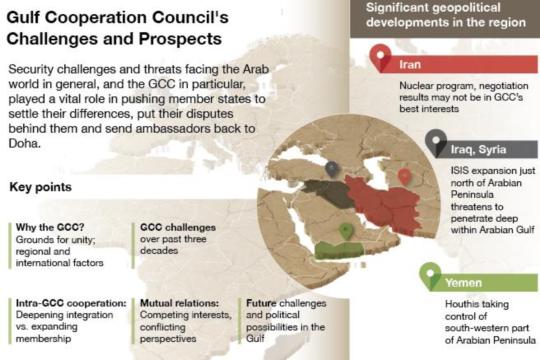
Geopolitical Tensions: Regional conflicts and diplomatic disputes impact stability.

Labor Market Issues: Balancing national workforce participation with expatriate employment.

Environmental Concerns: Climate change and water scarcity pose long-term risks.

The GCC also promotes cultural exchanges and education through initiatives like the Gulf Cup football tournament, heritage festivals, and scholarship programs for students. The blend of modernity and tradition makes the region unique.

Challenges Facing the GCC​
Future Prospects of the GCC​

Future Prospects of the GCC

The future of the GCC looks promising, with continued investments in technology, renewable energy, and infrastructure. Initiatives like smart cities, artificial intelligence, and green energy projects signal a shift towards sustainable development. The GCC’s strategic location and economic potential ensure its continued influence in global affairs.

The Gulf Cooperation Council (GCC) Countries

Conclusion

The Gulf Cooperation Council (GCC) countries—Bahrain, Kuwait, Oman, Qatar, Saudi Arabia, and the UAE—form a dynamic and influential region with strong economic, political, and cultural ties. Their rapid development, strategic importance, and commitment to modernization position them as key players on the world stage. While challenges exist, the GCC's collective efforts toward diversification, security, and sustainability ensure a bright future for the region.

Gulf Visa Services — Top Gulf Visa Service Agency Across All 6 GCC Countries

Return to our Top Gulf Visa Service Agency Homepage or select any dedicated GCC country visa desk below for pre-audited 2026 tourist, business, employment, family, and Golden Visa assistance (+91 96658 13846, +91 92251 13846). Corporate HR teams relocating talent can also explore bilingual GCC workforce onboarding on TalentDevelopments.com.